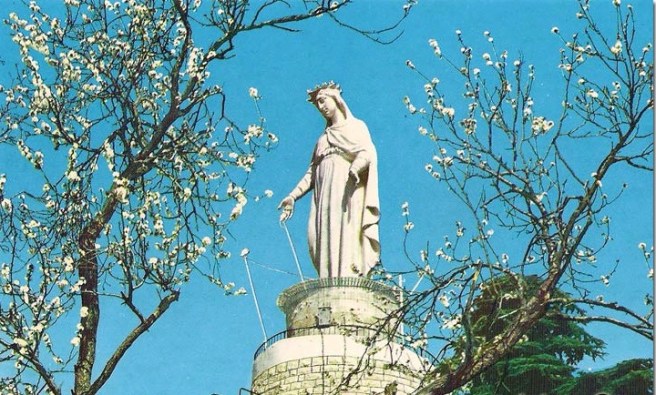
Our Lady of Lebanon

post 85/365


14harissa2

As one, we are senseless beings 
begging for love, good health, and happiness, asking for forgiveness. 
Hoping to see light, we look above and stare at her peaceful face, and rest
 our heavy little hearts right on her shoulder. Occasionally I become lost in looking, and stagger into a daze as I wonder how many people have come here in search for something, asking her for help. She has stood there it seems for eternity contemplating anguish and propagating patience. Overlooking the bay of Jounieh, she opens her arms welcoming all.
Continue reading

The Cedars of God

post 49/365

1282202105

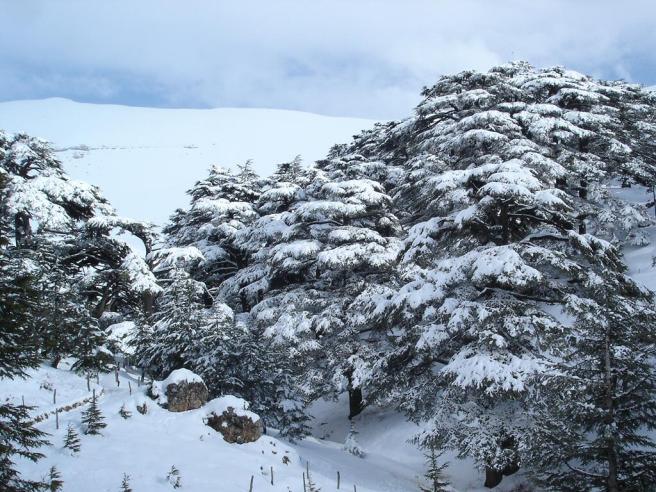
The cedars of Lebanon are an integral part of the history of Lebanon, just like Byblos, Tyre, and Baalbek. They date back to antiquity, when the Phoenicians were exporting cedar-wood to the pharaohs. The superb qualities of the cedar wood as beautiful color, hardness, exquisite fragrance, resistance to insects, humidity and temperature, incited Phoenicians, Egyptians, Greeks and many others to use it extensively. The wood was not only used for construction but more especially for nobler purposes, this was the sacred wood of the gods and used to honor the dead, a task to which the people of the ancient orient attached a deep importance. The Egyptians used its resin to mummify their dead and thus called it the “life of death”, and cedar sawdust was found in the tombs of the Pharaohs as well.

Continue reading

The Knight

post 46/365

unnamed-2

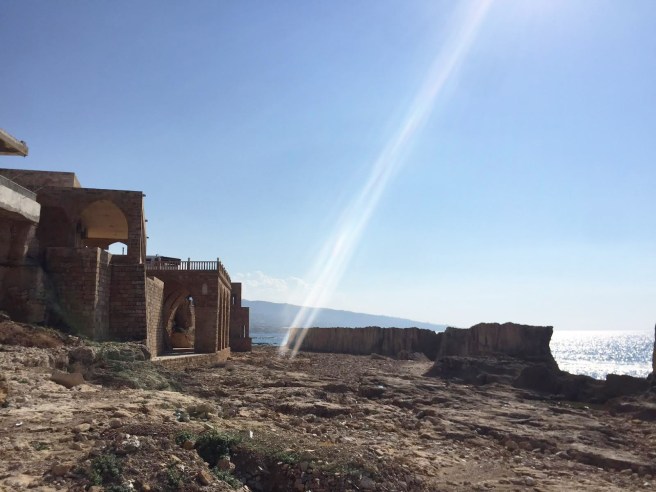
The Phoenician wall is a beautiful historical landmark on the coast of the city of Batroun. Batroun is considered to be one of the most important towns during the Phoenician period. The Wall is thought to be the inspiration for the town’s name by some historians. Batroun is thought to come from the Arabic word “bater” meaning to cut. This is in reference to the wall “cutting” the sea to protect Batroun from potentially destructive tidal waves. Other historians believe that the name of the town is derivative of the Phoenician words, beit truna, which translates to house of the chief.

Continue reading

For the Love of Beer

post 38/365


Colonel_Beirut_Brewery2

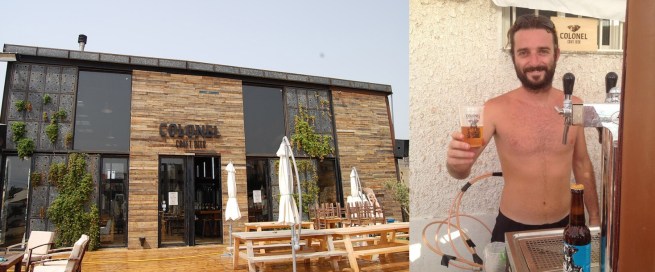
Behind every passionate story, there is a protagonist who’s the avid champion of its idea. Born and raised in Batroun, Jamil Haddad is a sun kissed 32 year old adventurer at heart. He started brewing beer at home at the age of 22, mixing, trying different tastes and flavors, and inviting his friends over for tasting. When he decided to follow his passion, he travelled over four years around Europe and stayed in London learning the ropes of brewing. In the summer of 2013 he quit his job to focus on founding the brewery and a year later, in June, he started to sell the first bottles of Colonel. Everything about Colonel beer has been thought of, the man dressed in army clothes wearing a pirate hat on the bottle is an ode to the stretch of land where he surfs with his friends, which is located next to Colonel Bitar’s chalet by the sea in Batroun.

Continue reading

Beit Douma

post 37/365

IMG_7972

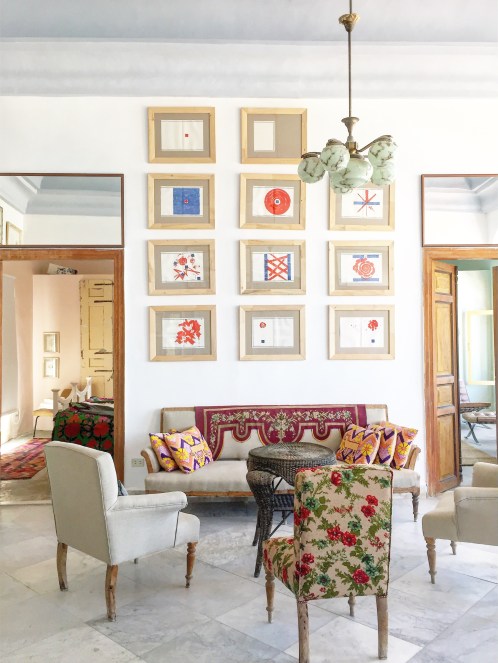
In the heart of a beautiful village in the north of Lebanon resides a 19th century Lebanese house that has just been turned into a bed and breakfast. As you drive by the old village center of Douma with its beautiful old buildings and picturesque views of the sea, perched on a hill just a top the village center resides this beautiful old house with yellow and burgundy shutters

Continue reading

The Eternal Sisters

Post 28/365

syster-olive-10

The Sisters or The Sisters Olive Trees of Noah are tucked away in the sleepy village of Bechealeh, in the North of Lebanon. They are a grove of sixteen olive trees, the oldest olive trees in the world, that have witnessed 5000 years of political unrest, plagues, diseases, varying climatic conditions and changing civilizations. The Sisters’ are said to be from an undocumented olive tree variety, an ancestor of the Balasi Ayrouni. They remain one of the great unresolved and virtually unexplored pre-Biblical mysteries; common folklore and a few Biblical Scholars believe that these are the trees from which the dove took the branch back to Noah when the deluge subsided.

Continue reading