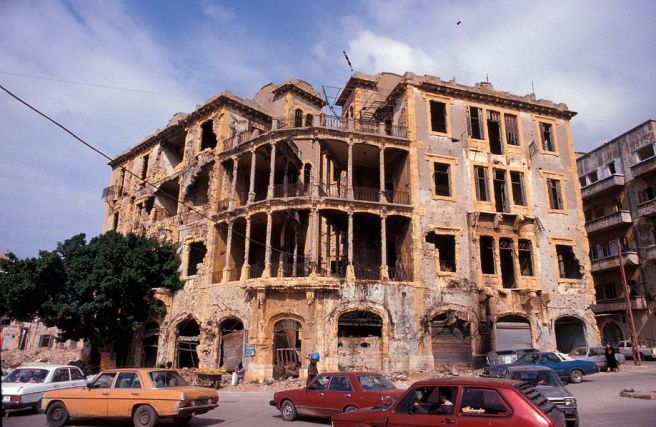
Beit Barakat

post 229/365

3.beirut-0222

After life is exploded, changed, dehumanized, there are shattered pieces that do not heal for years, if at all. “What is left are scars and something else – shame, I suppose, shame for letting it all continue. Glances at the past where solace in tradition and myth prevailed only brings more shame over what the present is. We have lost the splendors of what our ancestors have created and go elsewhere.” (Anthony Shadid _ House of Stone)

Continue reading

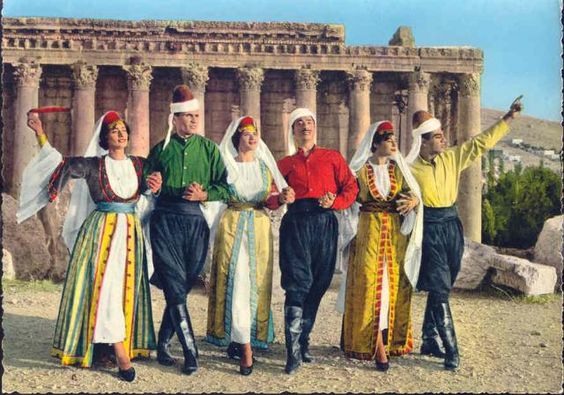
The Traditional Dress

post 225/365

aa04e936e742de6d77ab8dcf980c8106

There is something quiet poetic about the Lebanese landscape and how it is integrated in every aspect of our lives. Depending on the region, food, words, dialect, and dress changes. Different religions and areas all have slightly different undertones to their dress and way of life, yet somehow they all seem to mesh together in creating this cultural heritage that is very much what makes this country not only so diverse but so rich in culture.

Continue reading

From Pagan to Modern Times: Afqa

post 222/365

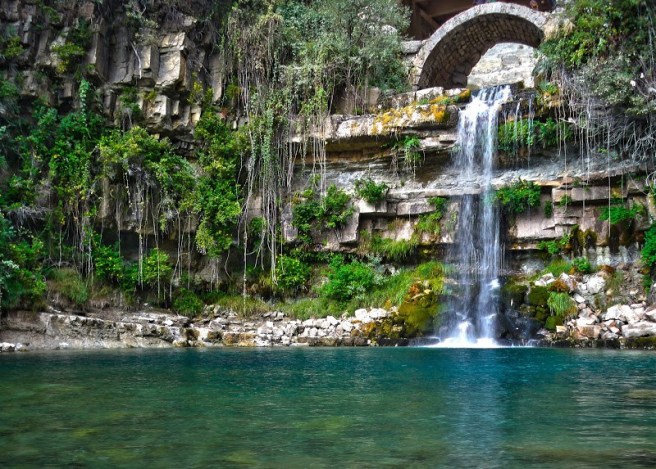
Afqa-Waterfall-Afqa

“…the miserable village which still bears the name of Afqa at the head of the wild, romantic, wooded gorge of the Adonis. The hamlet stands among groves of noble walnut-trees on the brink of the lyn. A little way off the river rushes from a cavern at the foot of a mighty amphitheatre of towering cliffs to plunge in a series of cascades into the awful depths of the glen. The deeper it descends, the ranker and denser grows the vegetation, which, sprouting from the crannies and fissures of the rocks, spreads a green veil over the roaring or murmuring stream in the tremendous chasm below. There is something delicious, almost intoxicating, in the freshness of these tumbling waters, in the sweetness and purity of the mountain air, in the vivid green of the vegetation.”

Sir James Frazer describing the village at Afqa in his 1922 book, The Golden Bough

Continue reading