Beirut’s Treasure House

post 79/365

150507103855134.jpg


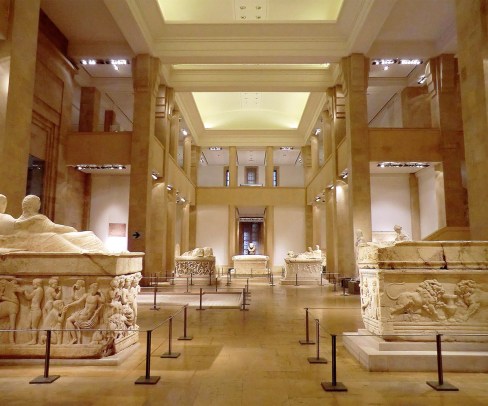
Located on the former Green Line, the National Museum of Beirut is an impressive building with a magnificently displayed collection of archaeological artifacts that offers a great overview of Lebanon’s history and the civilizations that made their home here. The National Museum is considered to be one of the most significant Near Eastern museums because of its rich collection.
Continue reading

The Poor Man’s Cheese

post 77/365

kecheq-libano.jpg

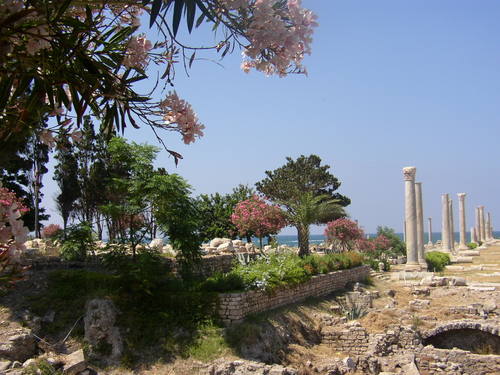
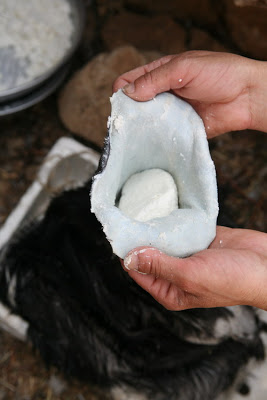
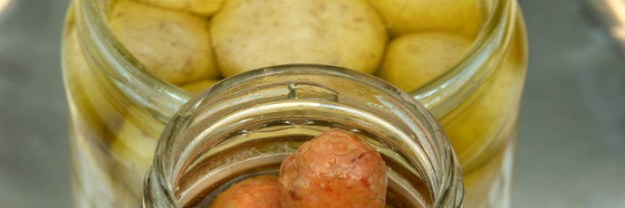
Another slow food foundation for the protection of food biodiversity is our very own keshek el foukara (poor man’s cheese). Majdel Zoun is located around ten kilometers from the ancient city of Tyre, a small village of Muslim farmers situated in a dry stony landscape. Their Keshek el fouqara in fact uses no milk, whereas keshek is commonly made with goat’s milk yoghurt.

Continue reading

Sidon, The History

post 74/365

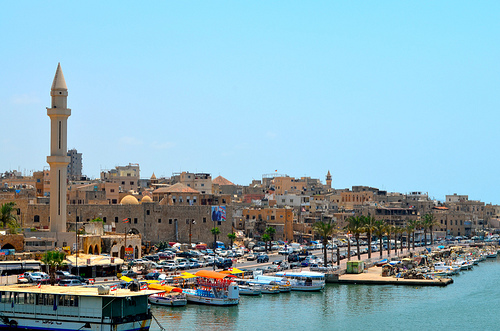
7620921642_f2ff769519


Saida, Arabic for fishing, takes its name from the old Phoenician word sidouna, also meaning fishing. In Genesis Sidon is a son of Canaan, a grandson of Noah. One of the most important, and perhaps the oldest, Phoenician cities dating around 4000 B.C., and perhaps even earlier, in Neolithic times, it was twice destroyed in war between the 7th and 4th centuries B.C., and again during the earthquake in the 6th Century A.D. It was the base from which the Phoenician’s great Mediterranean empire grew. Of all of Lebanon’s cities this is the most mysterious, for its past has been tragically scattered and plundered.

Continue reading

A Magical Time of the Year

post 66/365

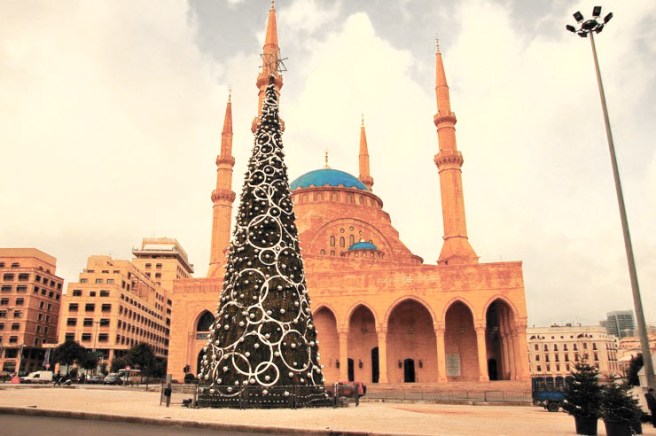
5286769361_4195daba5e_b

Christmas is a special time of year, a time filled with festivities and cheer. The lights are up, magic fills the air as people rush to get gifts. Children wait in anticipation for Father Christmas and all the gifts they will be receiving. All the wrapped presents under the tree topped with a golden star for all to see. But those gifts don’t at all compare to the beauty of having the family around. As we start this solemn slalom towards a week that ends engorged, with stomachs bloated whilst we gloat and toast a perfect holiday, let us remember that December is about reunion, love, and sharing this small world we inhabit.

Continue reading

The Ruby Jewel of Lebanon

post 64/365

Large_IMG_5077

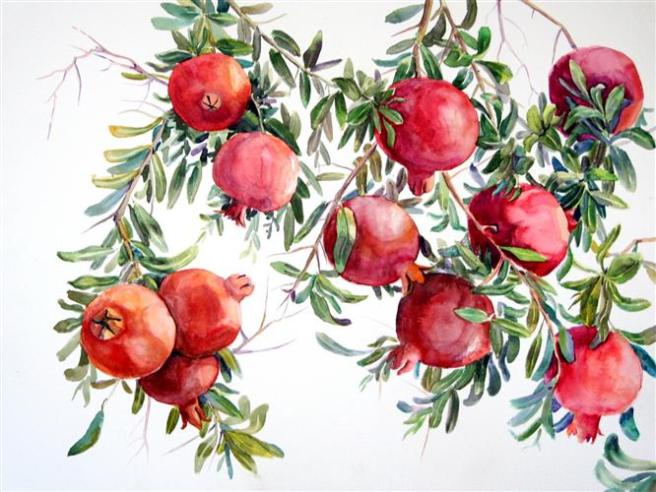
The pomegranate originated in the region of modern-day Iran and has been cultivated since ancient times throughout the Mediterranean region and northern India. In Lebanon it is typically in season from September to February. Its name derives from Medieval Latin pōmum “apple” and grānātum “seeded”. While the apple usually takes the blame for humanity’s fall from grace, some biblical scholars have suggested that the forbidden fruit of the Bible wasn’t an apple, but this red beauty.

Continue reading