In Times of Horror

post 183/365

2186777348_835d4044f4_z

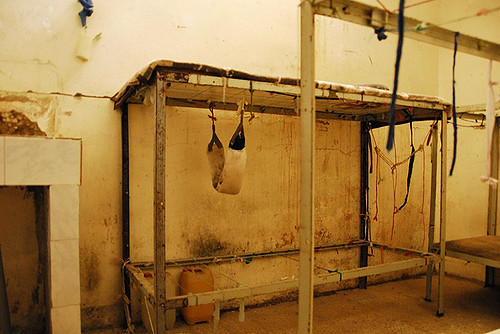
“In Khiam prison we died a hundred times every day. Torture included electric shocks, being tied naked to a whipping pole for hours under the burning sun in the summer and snow in the winter, and getting whipped and beaten continuously with metal rods, wires and nightsticks. We were caged and treated like animals. Believe me, it wasn’t so much about the pain, but the humiliation.”

Degol Abou Tass  Continue reading

Our Lady of the Wait

post 182/365

400-lady-mantara

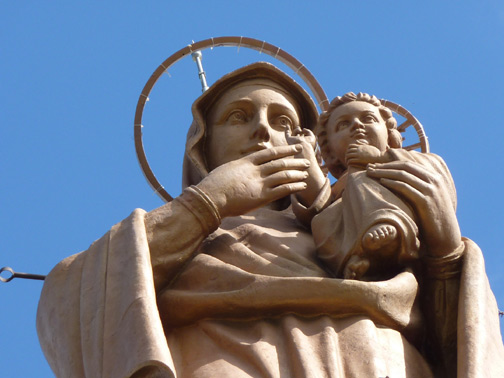
On a high hill overlooking the Mediterranean some 30 miles south of Beirut lies the pilgrimage town of Maghdoucheh, famous for its 30-meter bronze shrine dedicated to the Virgin Mary. It was here in Maghdoucheh that the Virgin Mary is said to have waited in a cave for her son Jesus to return with his disciples after preaching in nearby in Sidon. The statue, which depicts Mary holding Jesus in her arms, weighs a hefty six tons and was built in 1963 above the cave in which Mary was believed to have waited.

Continue reading

The Voice of Beirut

post 180/365

taniasaleh

Beirut windows slowly awaken

Houses piled up one on top of the other,

Whatever she does complements her

Together we live,

Each one on his own window

And life is ahead of us with its flowers and thorns

Beirut windows slowly awaken

Read in her coffee cups and tell me what do you foresee for her

She has seen a lot

Sweet days and sour ones

She doesn’t get enough of legends and life is still at its beginning

Beirut windows awaken slowly

Our stories hanging on clothesline, forgotten,

Colorful canvases on grey rooftops

Beirut windows slowly awaken

She stands in the early morning light

And puts kohol in her eyes

Someone will definitely drop by to visit her

And the sea with its ebbs and tides

Never tires and never stops

And no matter how old she gets

Only he is affectionate towards her

(lyrics translated from her song Shababik Beirut _ Beirut’s Windows)

Continue reading

The Patron Saint of Beirut

post 178/365

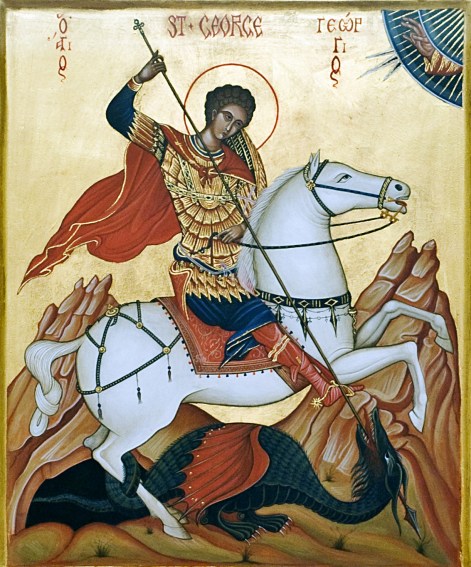
saint-george

As you stand next to the Saint George Hotel, facing the Saint George Bay, looking far onto the Mediterranean Sea, a legend centuries ago of bravery, love, and chivalry took place. Its story travelled with the Crusaders and was retold with the courtly appurtenances belonging to the genre of Romance. This Story is of a Roman soldier named George.

Continue reading

The Sarcophagus of King Ahiram

post 177/365

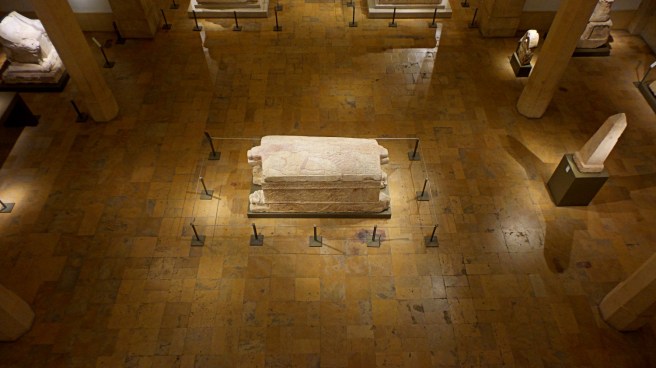
museum-1

Funeral rites were one of the major types of religious cultic activity among the Phoenicians. It appears that burial of an intact body was the preferred method for dealing with the dead, though some examples of cremation have also been found. The wealthiest Phoenicians and members of royal families received elaborately decorated stone sarcophagi, which were placed in tombs cut directly out of rock. The bodies were typically given objects from their lives to accompany them: coins, food, cosmetics, toiletries, figurines, and so forth. The inclusion of both ritual and practical objects is often cited as evidence of belief in some sort of afterlife, possibly one in which the deceased could make use of these objects. This may be a case where the funeral rites of Egypt influenced the religious beliefs of the Phoenicians as for a long time.

Continue reading

The White Cliffs

post 176/365

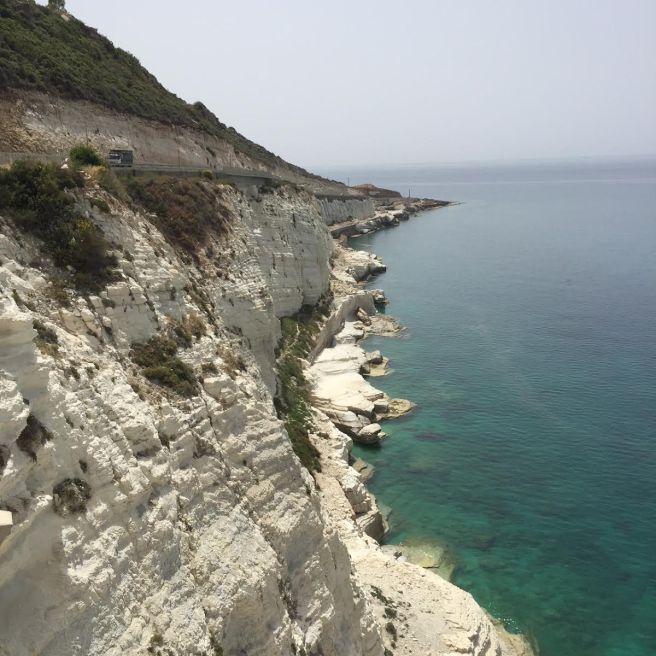
unnamed-7

As you drive past Tyre and its crowded streets, the scenery becomes more rural and the sky flat above you welcomes you to a clear view of a lonely road leading to Palestine with nothing but open blue skies. There is something quiet enchanting about a road by the sea that hasn’t been tampered by civilization. Although this whole region has been occupied by Israeli forces not long ago and has seen some atrocities, today it lies calmly drifting on the shores of the Mediterranean Sea.

Continue reading