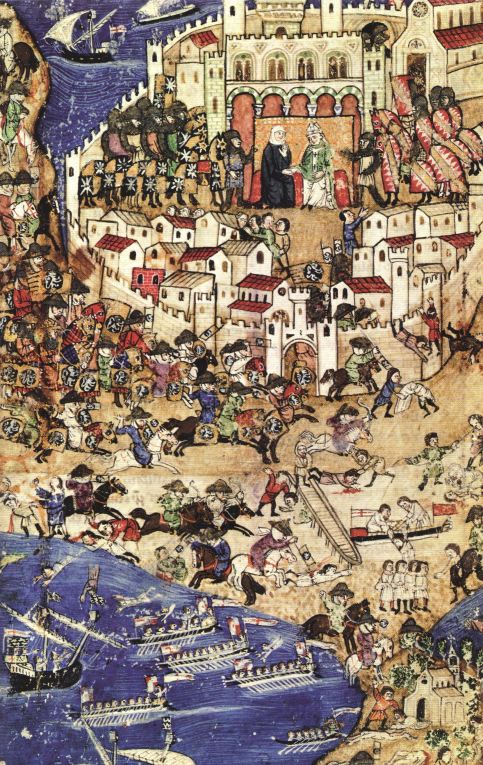
The Fall of Tripoli

post 92/365

Siege_of_Tripoli_Painting_(1289).jpg


Lebanon’s second largest city is famous for its medieval Mamluk architecture, including a bustling and labyrinthine souk that is considered the best in the country. Home to the largest fortress in Lebanon, the Citadel of Raymond Saint-Gilles, it’s the second largest city (behind Cairo) in Mamluk architectural heritage. In ancient times, it was the center of a Phoenician confederation, which included Tyre, Sidon and Arados, hence the name Tripolis, meaning triple city in Greek, which the Arabs changed to Trablous.
Continue reading

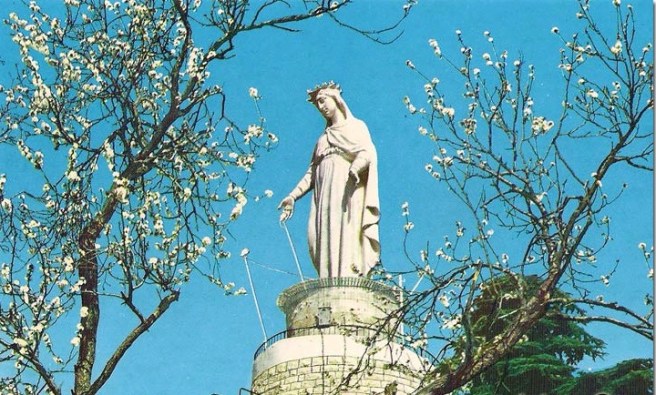
Our Lady of Lebanon

post 85/365


14harissa2

As one, we are senseless beings 
begging for love, good health, and happiness, asking for forgiveness. 
Hoping to see light, we look above and stare at her peaceful face, and rest
 our heavy little hearts right on her shoulder. Occasionally I become lost in looking, and stagger into a daze as I wonder how many people have come here in search for something, asking her for help. She has stood there it seems for eternity contemplating anguish and propagating patience. Overlooking the bay of Jounieh, she opens her arms welcoming all.

Continue reading

The Eternal Sisters

Post 28/365

syster-olive-10

The Sisters or The Sisters Olive Trees of Noah are tucked away in the sleepy village of Bechealeh, in the North of Lebanon. They are a grove of sixteen olive trees, the oldest olive trees in the world, that have witnessed 5000 years of political unrest, plagues, diseases, varying climatic conditions and changing civilizations. The Sisters’ are said to be from an undocumented olive tree variety, an ancestor of the Balasi Ayrouni. They remain one of the great unresolved and virtually unexplored pre-Biblical mysteries; common folklore and a few Biblical Scholars believe that these are the trees from which the dove took the branch back to Noah when the deluge subsided.

Continue reading