
post 219/365
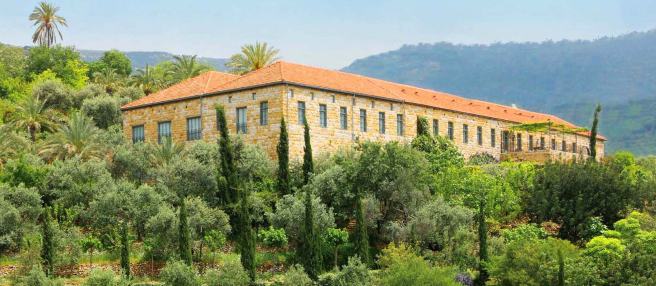
Tucked away on a winding road, through the picturesque gardens of mulberry trees, amongst beautiful olive groves and grape vines, the silk museum resides in the serene town of Bsous, recounting tales of a once prosperous dreamy Lebanon.
post 219/365
Tucked away on a winding road, through the picturesque gardens of mulberry trees, amongst beautiful olive groves and grape vines, the silk museum resides in the serene town of Bsous, recounting tales of a once prosperous dreamy Lebanon.
post 218/365
“one person can make a difference and everyone should try it” John F. Kennedy
post 217/365
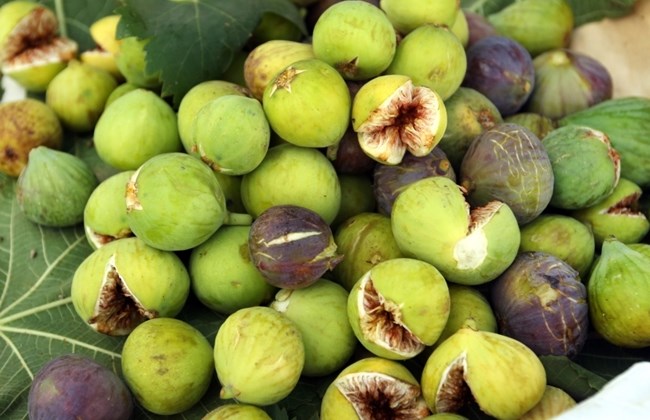
Plump and ready, sun-kissed under the blue Mediterranean Sea, the ripe fig with its dried-up skin sags desiccated on the limb with its sweetest nectar concealed deep inside.
post 216/365
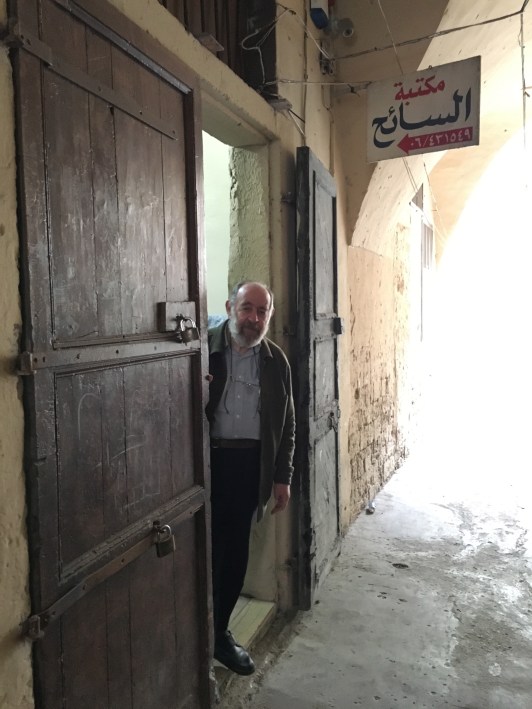
His patient negligence turns material possessions to antiques. Occasionally handled but not bought; turns shrinking bodies to ash or dust that settles beneath the infinite grains and turns short-lived words to quotes, vividly and enthusiastically chattered by our fragile grandchildren.
post 215/365
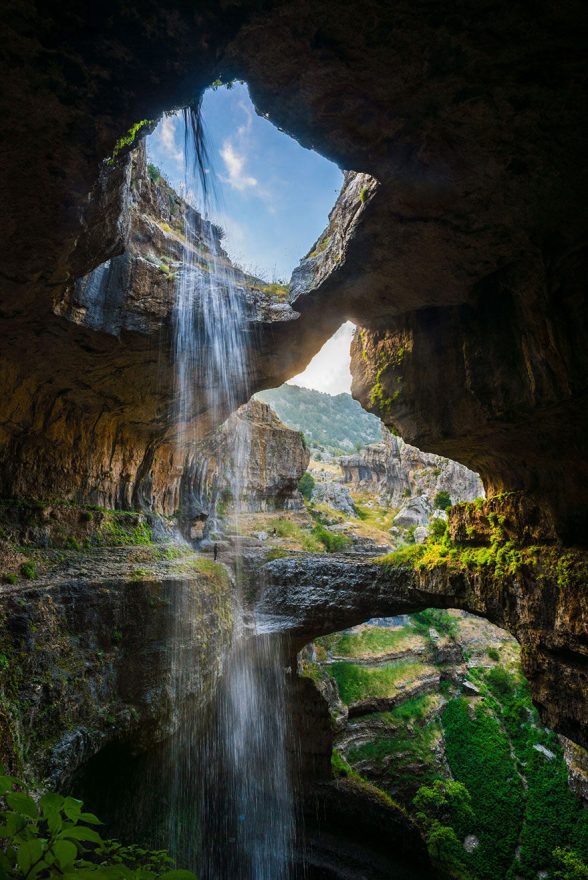
Sacred Spaces come to exist on their own, created by the hand of nature. A spectacular sight to see, where nature carved its way through, the Baatara gorge, lies unchanged, untouched, flowing to the pace of its own flow. A vision of beauty it lies deep into the valley below where three natural bridges, rising one above the other and overhanging a chasm descend into Mount Lebanon.
post 214/365
“hilo hal halak yalli lebsstih” (those earrings you are wearing are really nice)”
“merci, m2addam” (thank you, it’s given to you)
“la2, merci, hilo 3ala sahbo” (no thank you, it’s pretty on its wearer)
post 213/365
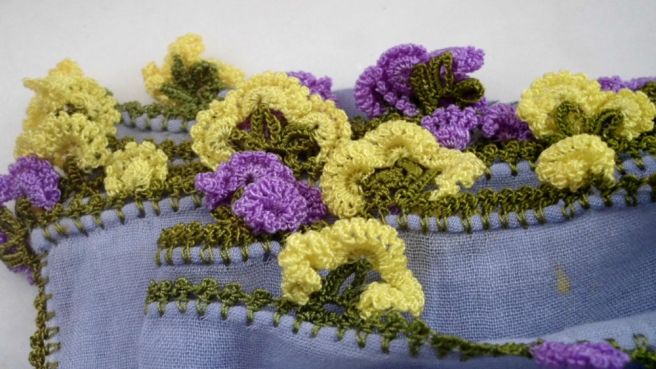
Embroidery has long since been part of the Lebanese heritage of handicrafts. There are some kinds of embroideries like the Oya that most probably have been acquired at the time of the Ottoman Empire. Embroidery in Lebanon is not considered to be a craft as all families, whether peasants, villagers or city-dwellers, practiced it as well as crochet, thus perpetuating ancestral traditions. The young ladies were most hard-working as they had to start preparing their trousseau as of their tenth year. The latter had to contain both embroidery for personal use such as veils, undergarments and dresses, and embroidery items for household use: window, cupboard and closet curtains, bed covers, protective covers for sofas and tablecloths.
Post 212/365
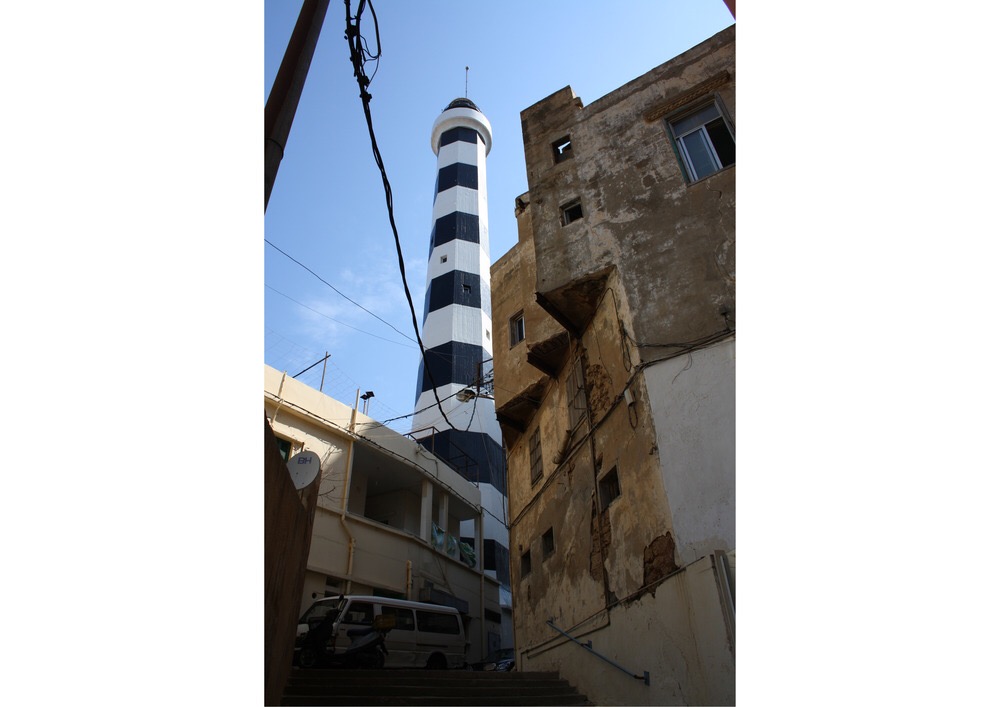
There was a time in Beirut when, what seemed like a mammoth structure, black and white stripes ascending up to the skies, played a major role in this city. Built on a little hill facing the Mediterranean Sea, the tallest one in the land, it stood still, proud, and useful. Now it stands there suffocating for air minisculed by the huge buildings around it. It stands there although still perceptible, yet useless in all its might.
post 211/365
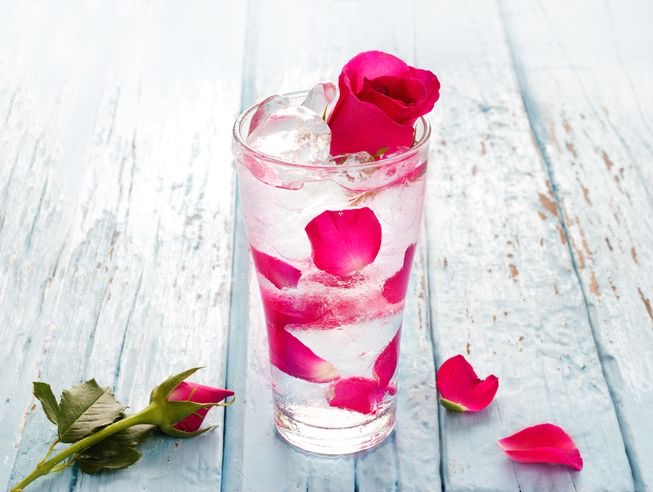
Similar to food, home made drinks are not only a staple in every Lebanese home but also reflect the earth’s bounty. There is something quiet wonderful about the combination of elements that make those typical Lebanese drinks so superb. It starts with their color, as they range in hues from pastel to darker burgundies. Then comes the smell as the drink reaches your lips and the flora of all the ingredients invigorates your spirit. Although they differ in texture, there is something quiet refreshing about them and the combination of those aromas with ice makes them the perfect summer drink.
post 210/365
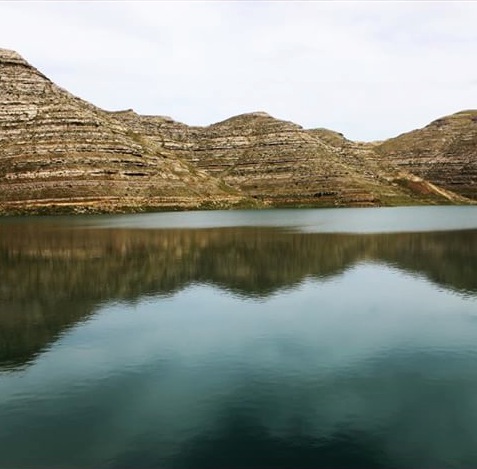
Unconstrained, free flowing stream, glitters and glimmers with sunbeam as it travels through the land reaching a halt above the village of Faraya. Its warm water glistens in the sun.
 365 Days of Lebanon