A Visual Memory

post 69/365

1401991003251

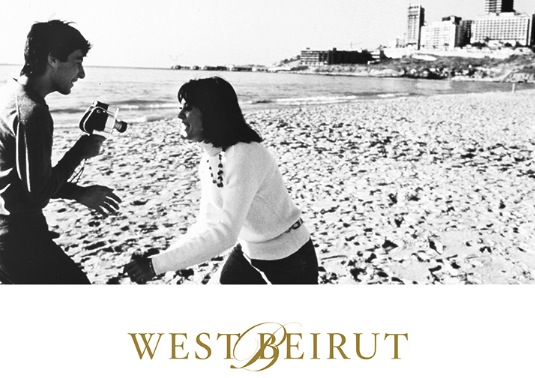
Set in 1975, West Beirut recreates the initial stages of Lebanon’s civil war through the experiences of three teenagers: Muslim friends Tarek and Omar, and the Christian neighbor May, not that religion or politics concern them very much. Tarek is more preoccupied with pop, sex, smoking and his beloved cine camera. Indeed, the division of Beirut into Christian-controlled East and Muslim West is simply an excuse to skip school. The three of them have several adventures in the chaotic streets patrolled by Muslim militias.
Continue reading

A Magical Time of the Year

post 66/365

5286769361_4195daba5e_b

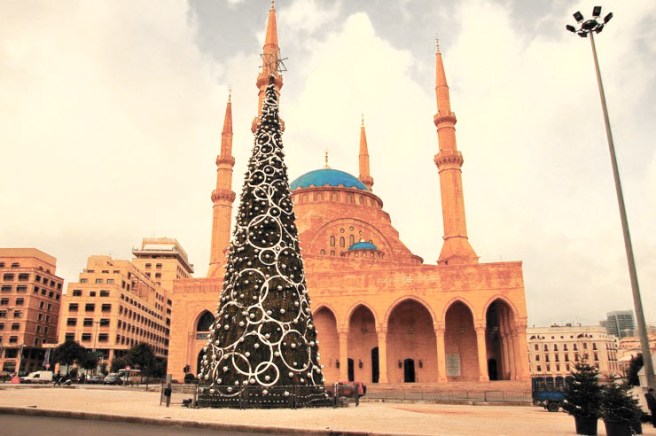
Christmas is a special time of year, a time filled with festivities and cheer. The lights are up, magic fills the air as people rush to get gifts. Children wait in anticipation for Father Christmas and all the gifts they will be receiving. All the wrapped presents under the tree topped with a golden star for all to see. But those gifts don’t at all compare to the beauty of having the family around. As we start this solemn slalom towards a week that ends engorged, with stomachs bloated whilst we gloat and toast a perfect holiday, let us remember that December is about reunion, love, and sharing this small world we inhabit.

Continue reading

Beauty in Geometry

post 65/365

i1o2quwyo6ow

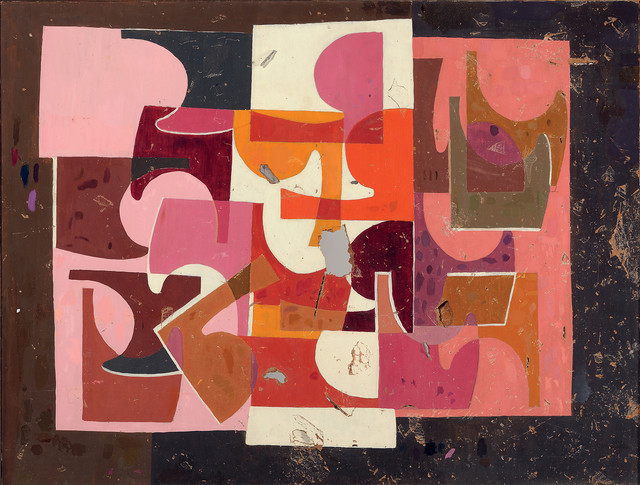
Saloua Raouda Choucair is a pioneer of abstract art in the Middle East. Born in 1916, she takes her rightful position as a significant figure in the history of twentieth-century art. Beirut is very important to her. It’s where she was born. She loves this city. She isn’t nostalgic of it she says. She believes in the future, trusting the exploration of science and space.

Continue reading

The Ruby Jewel of Lebanon

post 64/365

Large_IMG_5077

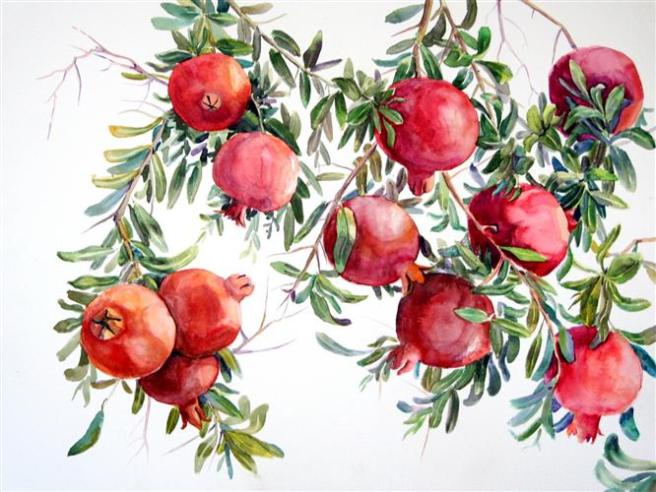
The pomegranate originated in the region of modern-day Iran and has been cultivated since ancient times throughout the Mediterranean region and northern India. In Lebanon it is typically in season from September to February. Its name derives from Medieval Latin pōmum “apple” and grānātum “seeded”. While the apple usually takes the blame for humanity’s fall from grace, some biblical scholars have suggested that the forbidden fruit of the Bible wasn’t an apple, but this red beauty.

Continue reading

The Wish of Health

post 60/365

FloralWreath-500x503


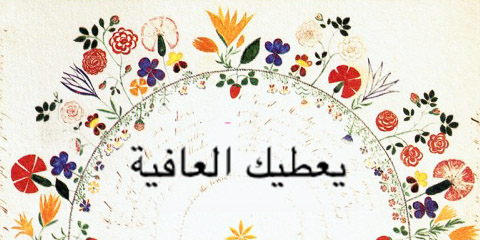
The literal meanings of common phrases of courtesy in Arabic are so much more elaborate than the rest of the world. They are beautifully rhymed and phrased short little sentences that reflect so much about our culture. Respect and proper greetings are pillars in our social fiber. We smile, say hello, and ask about the other’s person’s day all in a cordial manner. Yet the most beautiful of expressions, I find, is “ya’tik el a’fye, a shortened version of Allah ya’tik el a’fye (may God give you health and vigor). Most people translate a’fye as only health, but I believe it has more depth to it. Soha in Arabic means health, and a’fye means health and vitality, vigor, strength, or energy.

Continue reading

The National Dish

post 59/365

kebbeh-5


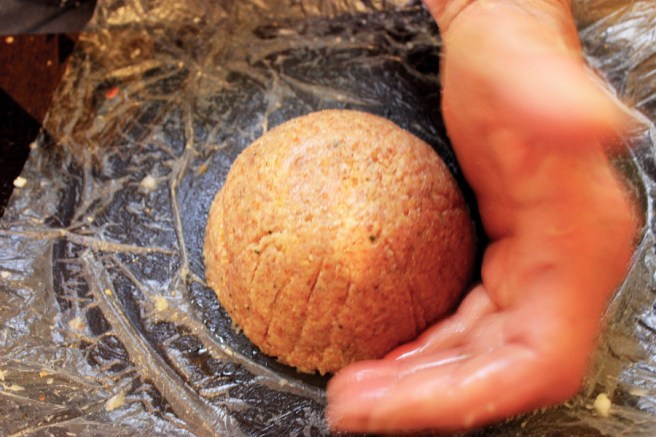
I always laugh when the mother in law in My Big Fat Greek Wedding is flabbergasted that her son in law doesn’t eat meat. A Lebanese version of that would be: “You don’t eat no Kibbeh? Kiff ya3neh? Ba3milak kibbet batata? Tayeb kibbet la2’tin? Shou? El borghol bya3milak nafkha! Ma a3m bifham!” (What do you mean? Shall I make you a potato kibbeh? How about a pumkin kibbe then? What? You feel bloated after eating bulgur? I don’t get it!)

Continue reading