
post 167/365
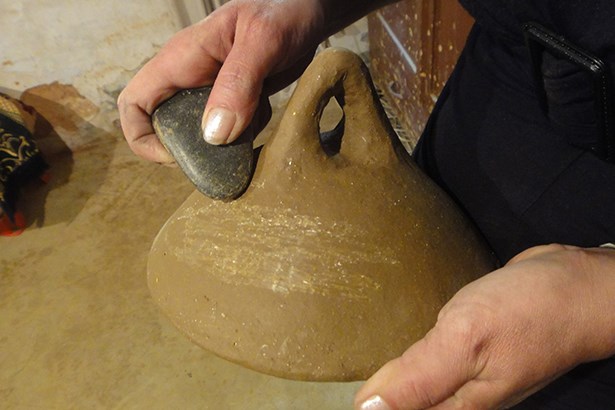
A drive up on the scenic road from Batroun to Assia bears a glorious image of cordial heritage that attracts us to our roots. The area hasn’t changed much since ancient times and nor have their traditions.
post 167/365
A drive up on the scenic road from Batroun to Assia bears a glorious image of cordial heritage that attracts us to our roots. The area hasn’t changed much since ancient times and nor have their traditions.
post 166/365
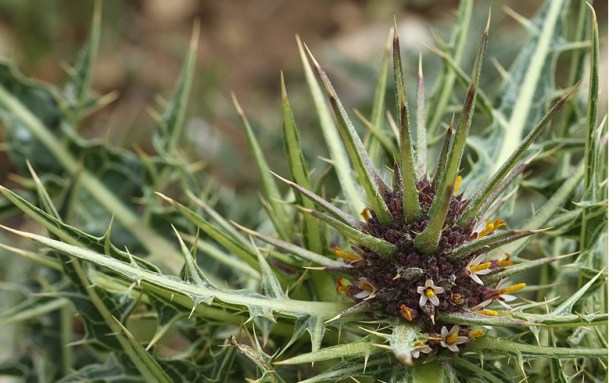
We watched the wild flowers grow on the mountain and plains of Lebanon. The flowers grew, as did we. As years passed we grew apart. The flowers left to wither, we both planted timid seeds. New soil in different weather, somehow we both found our way back home. As winter passes by, I watch them bloom with power, only to be detached from the earth they grew strong from.
post 165/365
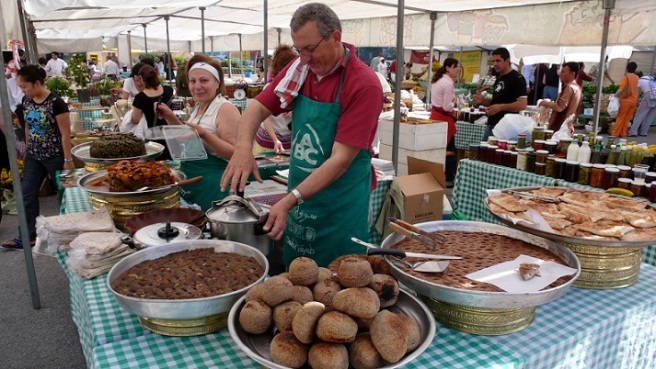
Every waking thought fueled by juicy strawberries not from distant lands, stalked by native asparagus, pine nuts, oak honey, dried apricots rolled thin into sheets, zaatar, ‘the sheikh’s’ raspberries, eating a Man’oushe from Rima’s saj, and buying my boys kale chips from Biolicious, pushes me out of bed on Saturday morning heading to Souk el Tayeb.
post 164/365
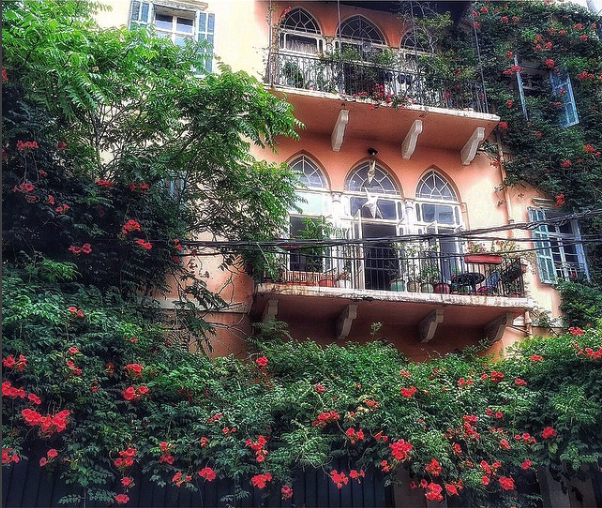
Beirut expanded during the second half of the 19th century and became one of the most prosperous cities of the declining Ottoman Empire. The “Lebanese house” was invented during this period. The Lebanese house is a world of sunshine and light, of color both subtle and vivid, of simplicity of form and elegance of proportions.
post 163/365
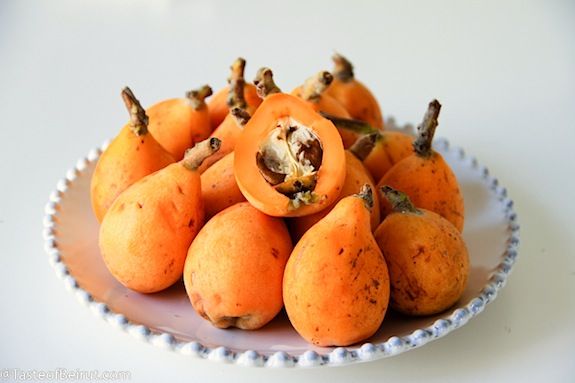
Fresh from the tree, the Akedene is juicy, sweet, and bursting with juice and flavor. But it’s so delicate and decays so quickly that it’s rarely shipped to commercial markets, making it one of the precious spring fruits of Lebanon, its season starting in April. Sometimes it is hanging in many loquat trees around the capital in old buildings front yards.
post 162/365
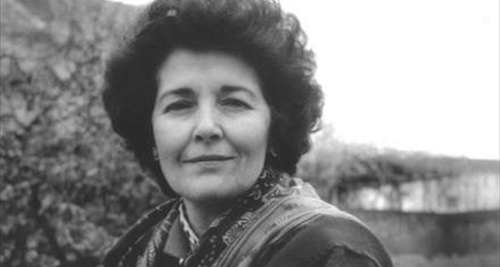
Why did Mirsal leave her letters here, between my hands? Uprooting her from her existence just like the poplar trees shed their yellow leaves to end a precarious phase of time’s chapter. And time passes, and it keeps going, and I see its footprints on top of these yellow worn-out pages…
(Translated from Tyour Ayloul, I did not do justice to the text but that’s the best I could do)
post 161/365

“Sometime in the middle of the 1970s, a glistening, barrel-chested, tri-colored robot of Japanese provenance entered the lives of Lebanese youth. Wing-like protrusions emerged from his incongruously teeny head like a set of bull’s horns. His arms were Herculean, substantial enough to hurl any enemy into a distant abyss, while his robot hands seemed always to be clenched into little balls of fury. On occasion, he would commune with a flying saucer, which allowed him to soar over the sky at light speed as he battled a malicious empire run by a galactic dictator named Lord Vega the Great and his equally malicious associates. This robot, this savior of humanity, was called Grendizer.”
I am very proud to be the first to translate this song into English, so here it goes:
post 160/365
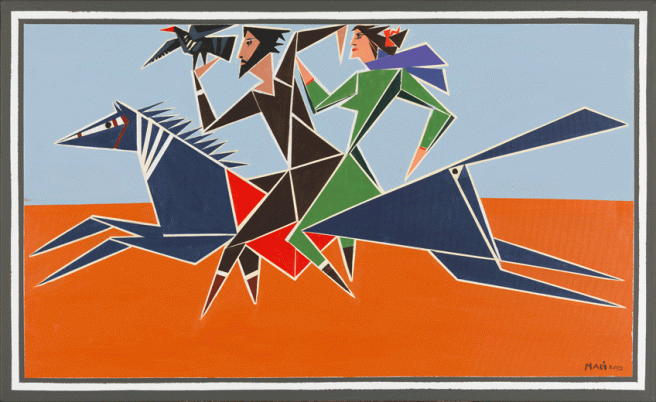
Finding great beauty in the natural world and drawing from hawk-eyed interpretations of it, rather than skimming glances, bold and calculated simplicity, are all set in colorful glory. His subjects ranging from animals to humans take center stage in his paintings where they flow in a realm of defined space and exuberant colors.
“When I look at nature, I see it in my own way. Colors and shapes are a language,” he tells.
159/365
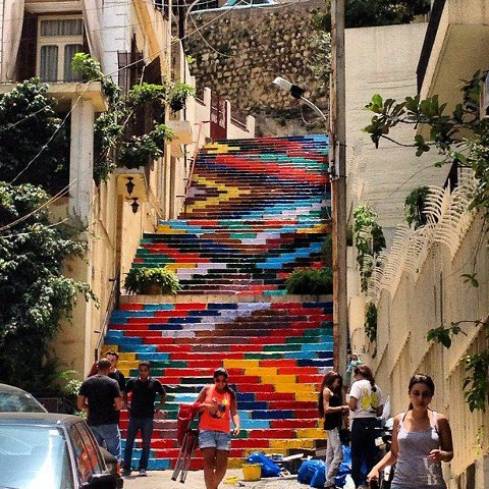
Electricité du Liban building, built around 1970, welcomes you into the heart of Mar Mikael, where the rhythm of life slows down and life somehow seems to be a bit calmer then the rest of the city, during the day at least. Most of its shops have old men or women operating them, giving a certain caché to the area, highlighting the feel of longevity that is very much present in Mar Mikhael.
post 158/365
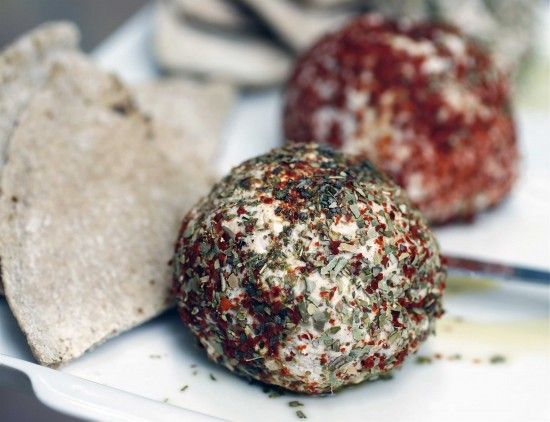
Shankleesh is the only mold ripened cheese native to the Middle East. It is believed to have originated among the Kurdhish al Zankieen tribes. It is essentially yogurt whey that is shaped into smooth balls by hand, then either ripened for a few days and consumed (green shankleesh) or aged for up to 16 weeks, traditionally in clay jars called baresh.
 365 Days of Lebanon