Meghlé

post 87/365

1838a7faa6d64d40a3c4d7bb48f94111


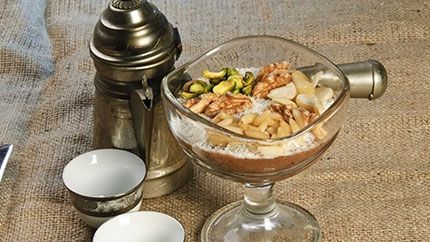
Days before a woman is about to give birth, the whiff of cinnamon and caraway start filling the house with their comforting aromas full of warm spicy notes. No Lebanese baby can be welcomed into this world, without the proper and best Meghlé. This dessert is a rice pudding made from rice flour, sugar and cinnamon with ornaments of desiccated coconut flakes, pistachios, walnuts, almonds and pine nuts making it one fancy dessert reserved for such delightful occasions. It is infused with the warming flavors of cinnamon, caraway and anise. This exotic dessert is a taste of our culture, and insight into our spice-filled way of life.
Continue reading

Our Lady of Lebanon

post 85/365


14harissa2

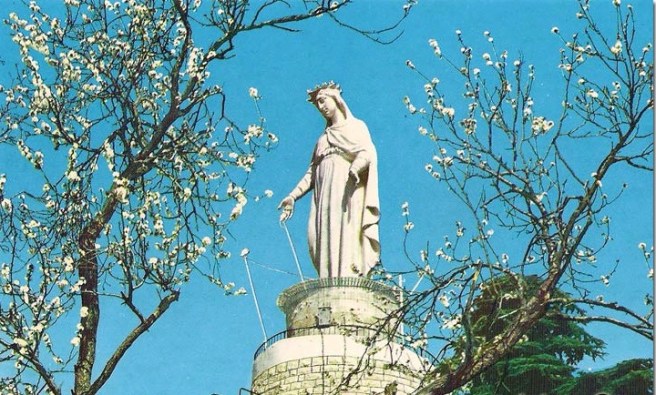
As one, we are senseless beings 
begging for love, good health, and happiness, asking for forgiveness. 
Hoping to see light, we look above and stare at her peaceful face, and rest
 our heavy little hearts right on her shoulder. Occasionally I become lost in looking, and stagger into a daze as I wonder how many people have come here in search for something, asking her for help. She has stood there it seems for eternity contemplating anguish and propagating patience. Overlooking the bay of Jounieh, she opens her arms welcoming all.

Continue reading

The Chestnut Street Vendors

post 80/365

beirut_kastana_man_by_sunkentreasure


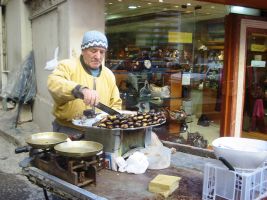
The breeze of these winter days, I can feel it slipping into my skin. The wind is sighing in a winter sky and the streets are busy as usual with people going about their day. The birds that came are gone again. The silence reins the skies yet the cacophony of a busy city fills the air. With all the painted images of a winter scene in the heart of Beirut comes the smell of roasted chestnuts in the air. It’s that time of the year where the street vendors stand on the side of the roads selling Kastana (roasted chestnuts).

Continue reading

Beirut’s Treasure House

post 79/365

150507103855134.jpg


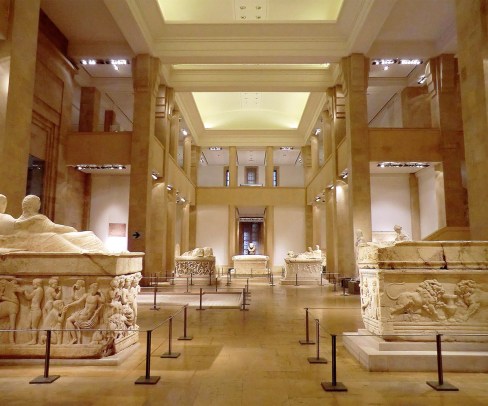
Located on the former Green Line, the National Museum of Beirut is an impressive building with a magnificently displayed collection of archaeological artifacts that offers a great overview of Lebanon’s history and the civilizations that made their home here. The National Museum is considered to be one of the most significant Near Eastern museums because of its rich collection.

Continue reading

The Title Reversal

post 78/365

6a00d8341c630a53ef01630370d677970d-600wi

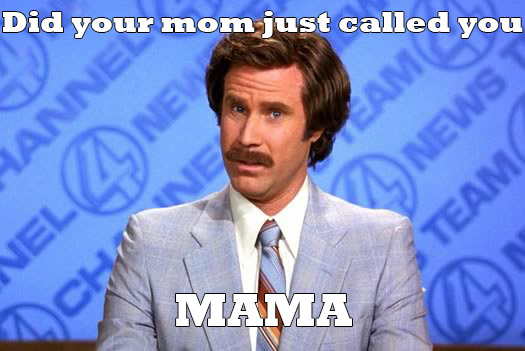
I am sure you’ve heard this about a million times before “ya pappy, kam mara iltilak haj thot ossba’ak bi mounkharak” (oh, daddy, how many times have I told you to stop putting your finger in your nose). Oh no, wait, it’s not what you think… it’s not the child reprimanding the dad for putting his finger in his nose. It’s the dad whose calling his son dad.

Continue reading

The Poor Man’s Cheese

post 77/365

kecheq-libano.jpg

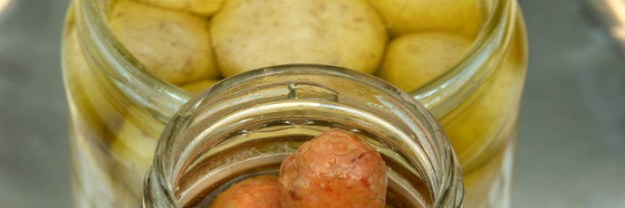
Another slow food foundation for the protection of food biodiversity is our very own keshek el foukara (poor man’s cheese). Majdel Zoun is located around ten kilometers from the ancient city of Tyre, a small village of Muslim farmers situated in a dry stony landscape. Their Keshek el fouqara in fact uses no milk, whereas keshek is commonly made with goat’s milk yoghurt.

Continue reading

Sidon, The History

post 74/365

7620921642_f2ff769519


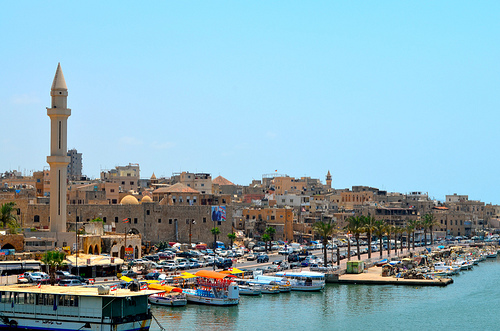
Saida, Arabic for fishing, takes its name from the old Phoenician word sidouna, also meaning fishing. In Genesis Sidon is a son of Canaan, a grandson of Noah. One of the most important, and perhaps the oldest, Phoenician cities dating around 4000 B.C., and perhaps even earlier, in Neolithic times, it was twice destroyed in war between the 7th and 4th centuries B.C., and again during the earthquake in the 6th Century A.D. It was the base from which the Phoenician’s great Mediterranean empire grew. Of all of Lebanon’s cities this is the most mysterious, for its past has been tragically scattered and plundered.

Continue reading