The Ruby Jewel of Lebanon

post 64/365

Large_IMG_5077

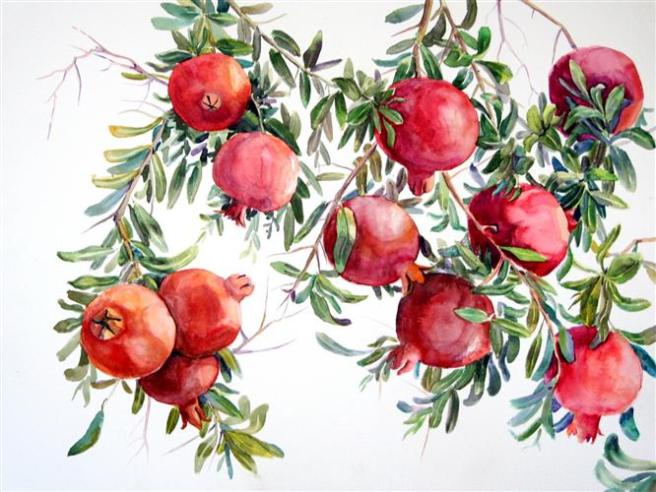
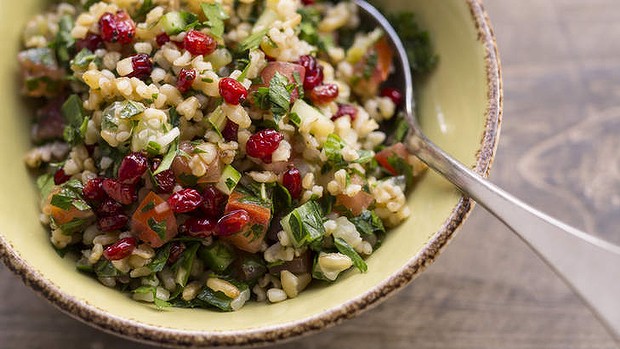
The pomegranate originated in the region of modern-day Iran and has been cultivated since ancient times throughout the Mediterranean region and northern India. In Lebanon it is typically in season from September to February. Its name derives from Medieval Latin pōmum “apple” and grānātum “seeded”. While the apple usually takes the blame for humanity’s fall from grace, some biblical scholars have suggested that the forbidden fruit of the Bible wasn’t an apple, but this red beauty.

Continue reading

The National Dish

post 59/365

kebbeh-5


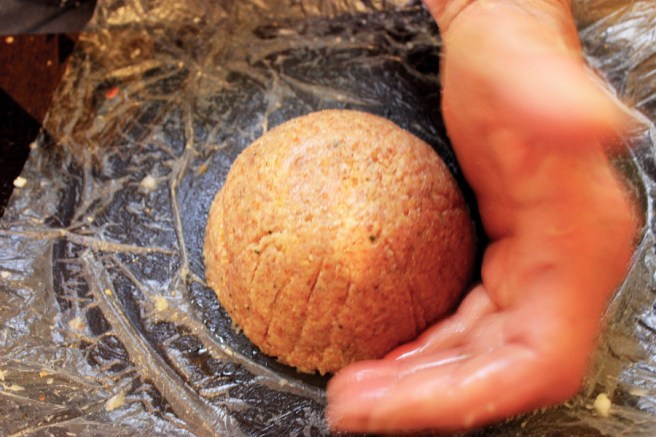
I always laugh when the mother in law in My Big Fat Greek Wedding is flabbergasted that her son in law doesn’t eat meat. A Lebanese version of that would be: “You don’t eat no Kibbeh? Kiff ya3neh? Ba3milak kibbet batata? Tayeb kibbet la2’tin? Shou? El borghol bya3milak nafkha! Ma a3m bifham!” (What do you mean? Shall I make you a potato kibbeh? How about a pumkin kibbe then? What? You feel bloated after eating bulgur? I don’t get it!)

Continue reading

The Superfood

post 52/365

pd-sp-aw-20131227133035481526-620x0

The Ark of Taste, which is a foundation created by Slow Food International, Slow Food Italy, and the Slow Food Foundation for Biodiversity, is an operational body for the protection of food biodiversity. They travel the world collecting small-scale quality productions that belong to the cultures, history and traditions of the entire planet: an extraordinary heritage of fruits, vegetables, animal breeds, cheeses, breads, sweets and cured meats. The Ark was created to point out the existence of these products, draw attention to the risk of their extinction within a few generations, and invite everyone to take action to help protect them. In some cases this might be by buying and consuming them, in some by telling their story and supporting their producers.

Continue reading

For the Love of Beer

post 38/365


Colonel_Beirut_Brewery2

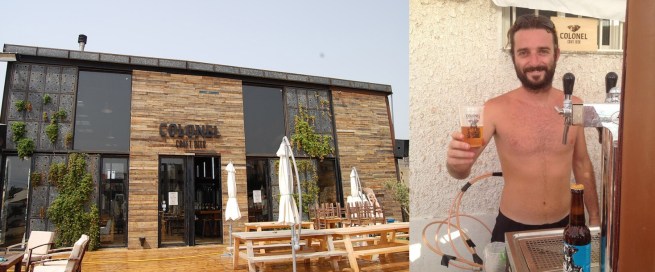
Behind every passionate story, there is a protagonist who’s the avid champion of its idea. Born and raised in Batroun, Jamil Haddad is a sun kissed 32 year old adventurer at heart. He started brewing beer at home at the age of 22, mixing, trying different tastes and flavors, and inviting his friends over for tasting. When he decided to follow his passion, he travelled over four years around Europe and stayed in London learning the ropes of brewing. In the summer of 2013 he quit his job to focus on founding the brewery and a year later, in June, he started to sell the first bottles of Colonel. Everything about Colonel beer has been thought of, the man dressed in army clothes wearing a pirate hat on the bottle is an ode to the stretch of land where he surfs with his friends, which is located next to Colonel Bitar’s chalet by the sea in Batroun.

Continue reading

The Tanjara

post 27/365

unnamed-24

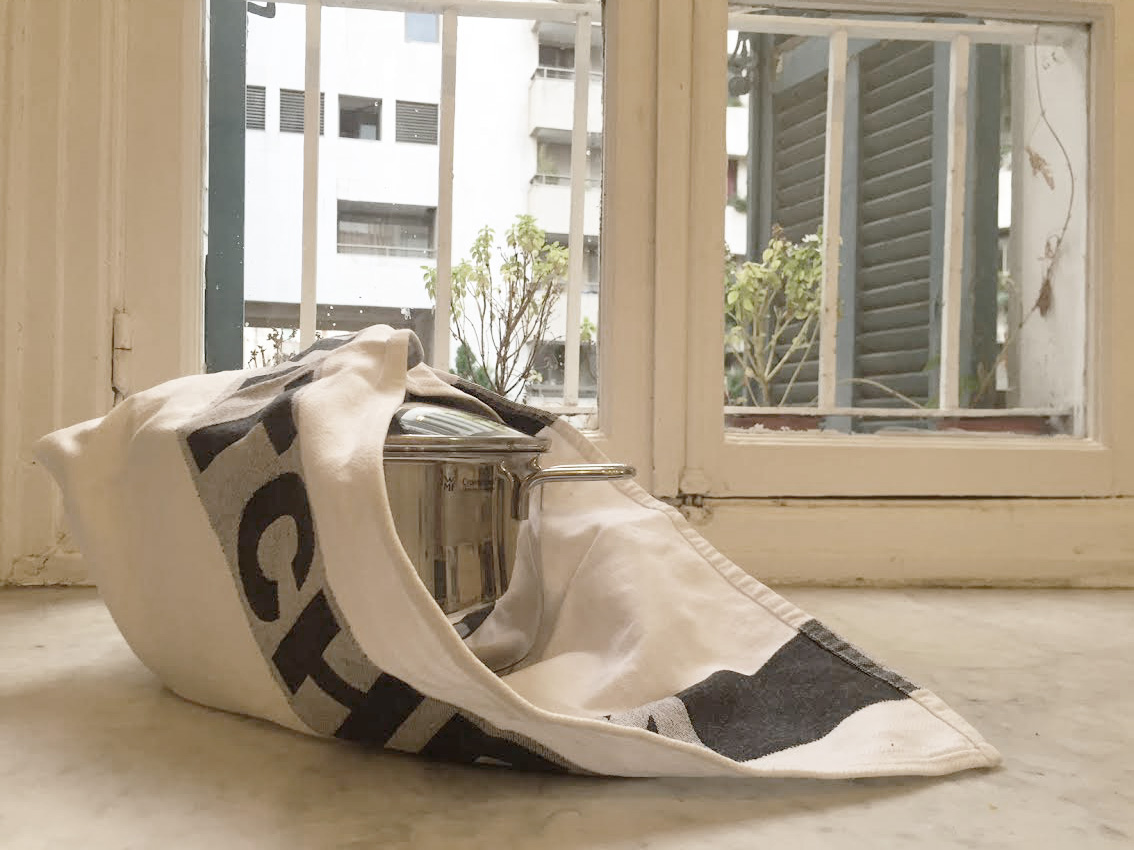
Because nothing says I love you like a warm wrapped tanjara straight from your mom’s stove, this post is dedicated to all the loving mothers in Lebanon and there are plenty of them out there. A Lebanese mom’s biggest fear is that you or your family might die of starvation. She will do absolutely everything to make sure that you and your family are well fed. Continue reading

The Land of Plenty

Post 13/365

unnamed

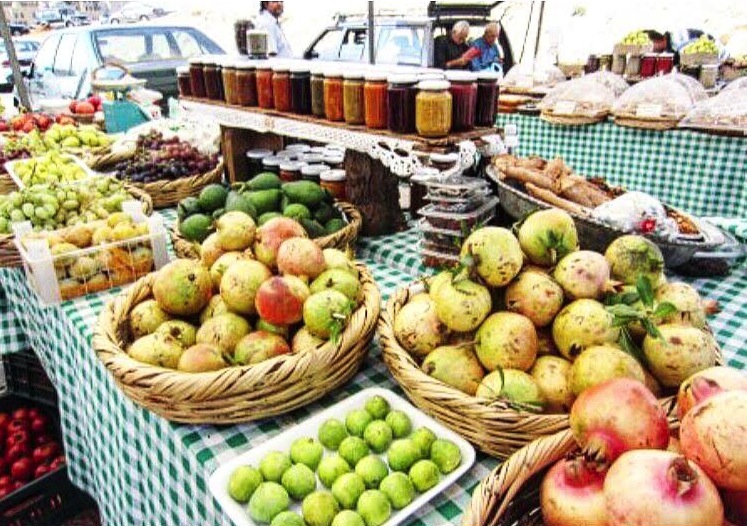
Lebanon, which has a variety of agricultural lands, from the interior plateau of the Bequaa valley to the narrow valleys leading downward to the sea, enables farmers to grow all kinds of crop. Tobacco and figs are grown in the south, citrus fruits and bananas along the coast, olives in the north and around the Shouf Mountains, and fruits and vegetables in the Beqaa Valley. More exotic crops include avocados, grown near Byblos. The very rare combination of clay/silty soil, calcareous water, and an average of 300 days of Mediterranean sunshine provides an environment in Lebanon for outstanding full flavoured fruits and vegetables. The fact that Lebanon has an area of 10452 km2 makes it possible for us to eat fresh produce all year long.

Continue reading