Horsh Beirut

Post 8/365

unnamed-8

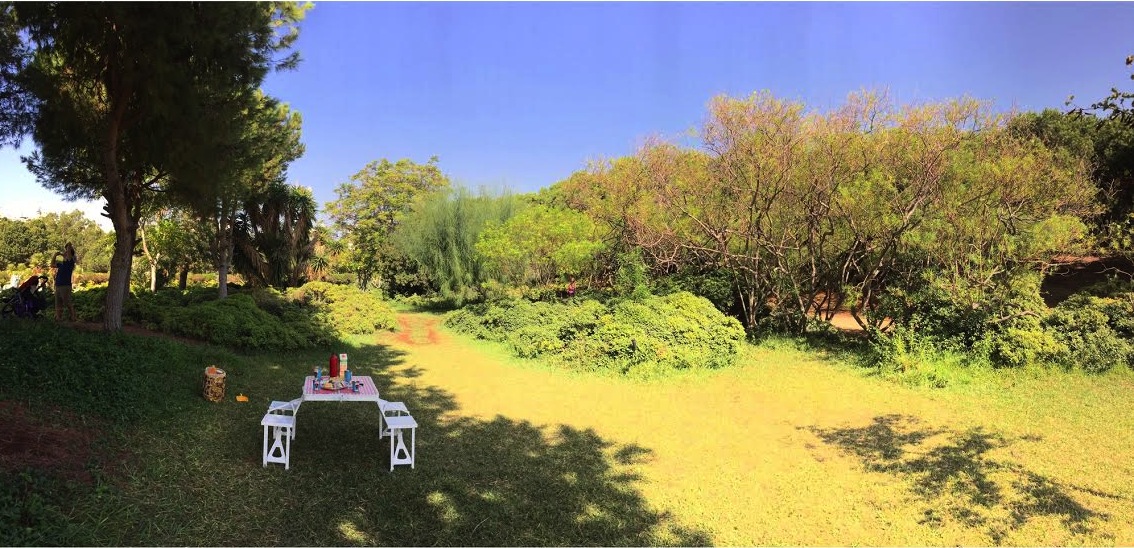
The park, which accounts for 72% of all green space in Beirut, started off as a pine forest planted by Emir Fakhr Edin II in the 17th century. When Israel invaded Lebanon in 1982, during the country’s 15-year-long civil war, the park was heavily damaged, with many of its trees burned and destroyed. It’s been closed for the general public for the last 25 years. Thanks to the amazing effort of an NGO called Nahnoo, it’s now open every Saturday.
A more sensitive issue behind the park’s closing is its precarious location directly between Sunni, Shia and Christian neighborhoods known as flashpoints for sectarian conflict.
Continue reading

Enfeh

Post 7/365

unnamed-10

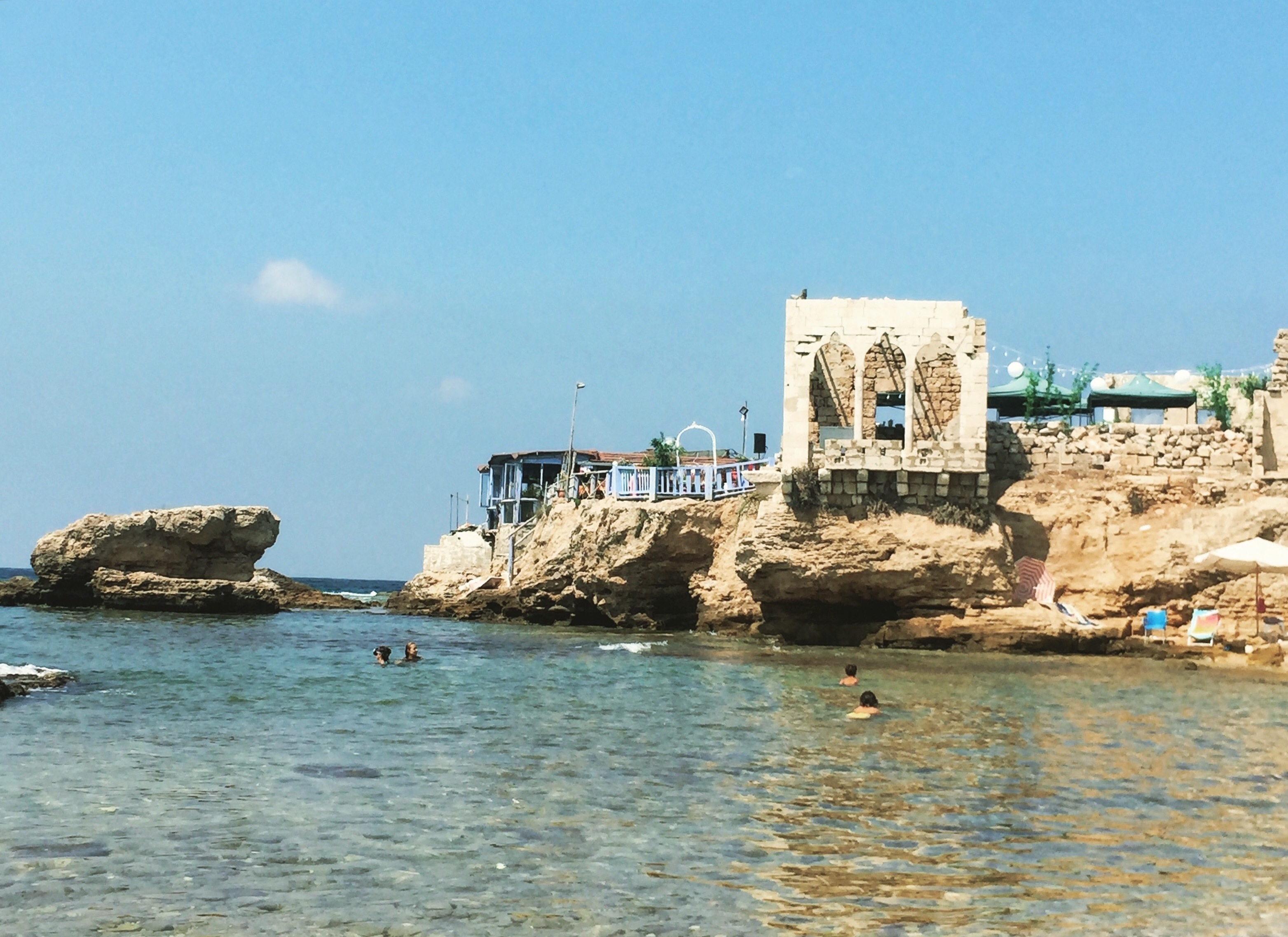
Enfeh is the only town along the eastern coast of the Mediterranean to be carved out of its rocky surroundings. Some of the carvings go all the way back to the Phoenician period, and possibly earlier.

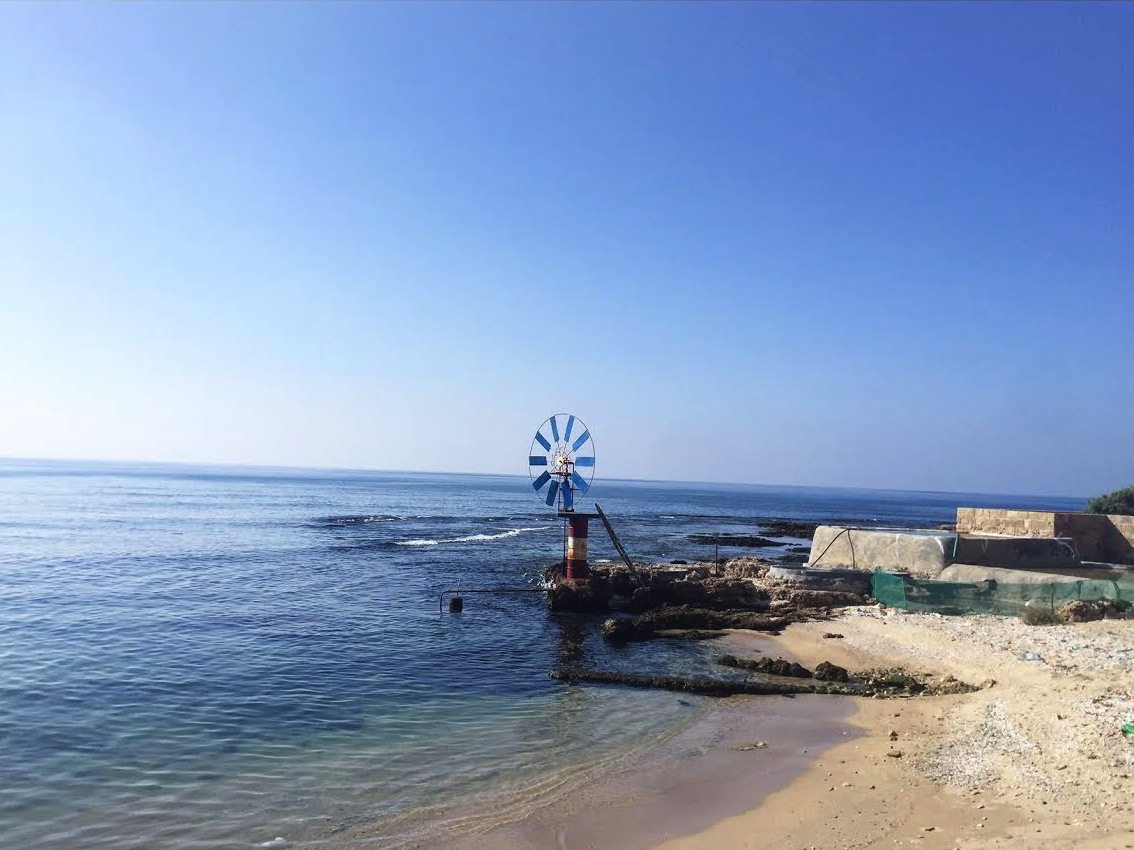
Along the length of its bay, the salt marshes add a typically pretty note to the landscape, especially with the traditional wind wheel which pumps seawater. The production of sea salt is a staple of its local economy, dubbed the “white gold.” Ancient tablets dating from 1400BC describe the superior quality of its salt. 

Continue reading

Beirut

Post 6/365

12096180_10156116374250244_1530975799498258399_n

Beirut… How do I start?
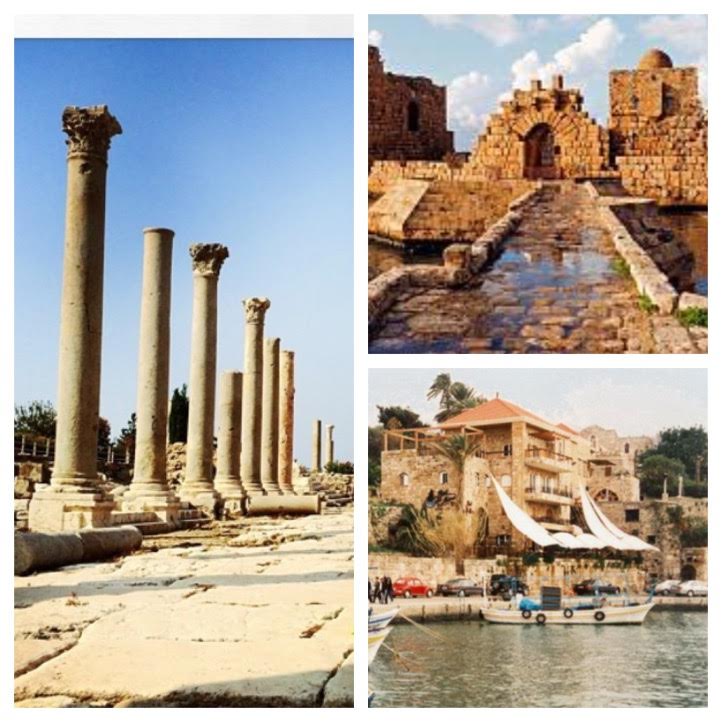
Beirut’s name is derived from the Canaanite name of Beʾerōt (Wells), referring to the underground water source that is still tapped by its inhabitants (note the modern irony). It is a city of baffling contradictions blending the cosmopolitan with the provincial. 

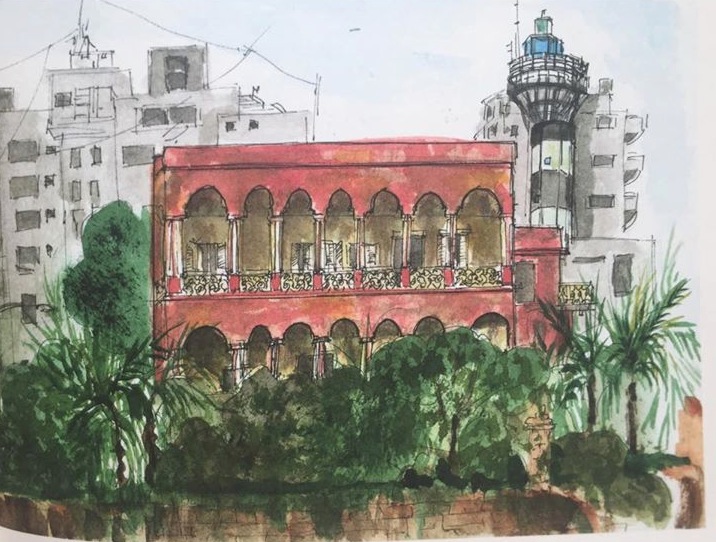
Beirut is a collage of high-rise buildings, modern buildings, walk-up apartments, traditional four-story houses, beautiful dilapidated 2 story houses with red roofs, and run down buildings.

Continue reading

Jeita Grotto

Post 5/365

unnamed-14

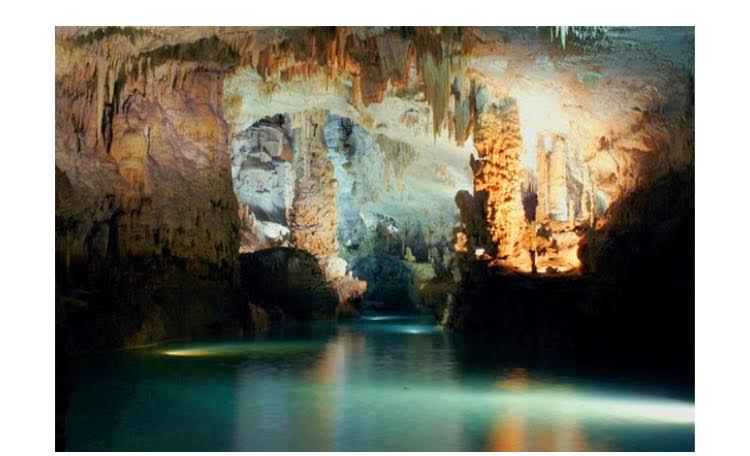
Lebanon is literally beautiful inside out. We have beautiful nature on the surface of the land and inside it.

Jeita is the longest cave in the Middle East. It has the longest stalactite in the world and it’s considered the pride of Lebanon.
It is the story behind it that I love though . Behind this cathedral like vaults with majestic curtains falling from its walls. Jeita, in case you didn’t know, provides fresh drinking water to 1.5 million inhabitants! And yet it stands there in profound silence.

Continue reading

The Sea

Post 4/365

unnamed-7

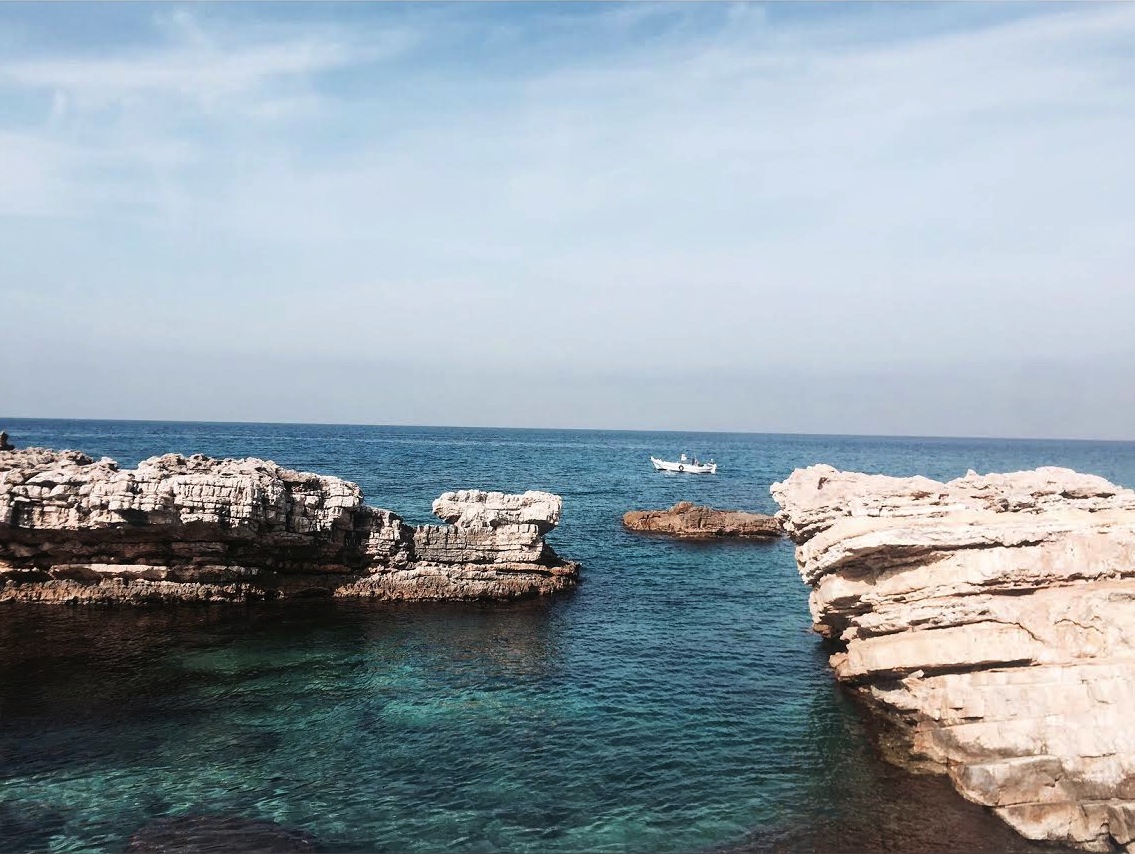
Lebanon, just by pure geography, makes the Mediterranean sea part of our daily lives. It’s length almost three times its width with a 225km of coastline. 
Now that’s nice but that’s all information. What I love about this fact is that no matter how far away I am, I am only a 2 hours drive to the sea. And I do love my sea. Just like Pablo Neruda said “I need the sea because it teaches me”.
I find my peace and my serenity and I realise that I am literally just a drop of water every time I look at its vastness. We have 225 km of pure warm blue beauty. I wish we would take better care of it.

Continue reading

Blue Skies

Post 1/365

IMG_8560

Good morning everyone… I start today. Please feel free to add your pictures if you like. 
I decided to post pictures from my travels in Lebanon that I had already posted on my Instagram account. 

I love Lebanon because we have 330 days of blue skies.
I will repeat that, 330 days of blue skies.
We all take it for granted because it’s there and it never changes but if you’ve lived in Europe you’d realise how utterly amazing that is.
I think it’s one of the reasons why we Lebanese are always positive, how can we not be? At the end of the day the sun will always shine tomorrow
‪#‎livelovelebanon‬ and I will ‪#‎fighton‬