The Wish of Health

post 60/365

FloralWreath-500x503


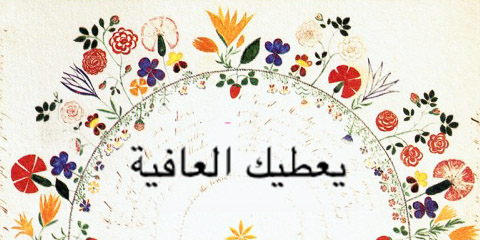
The literal meanings of common phrases of courtesy in Arabic are so much more elaborate than the rest of the world. They are beautifully rhymed and phrased short little sentences that reflect so much about our culture. Respect and proper greetings are pillars in our social fiber. We smile, say hello, and ask about the other’s person’s day all in a cordial manner. Yet the most beautiful of expressions, I find, is “ya’tik el a’fye, a shortened version of Allah ya’tik el a’fye (may God give you health and vigor). Most people translate a’fye as only health, but I believe it has more depth to it. Soha in Arabic means health, and a’fye means health and vitality, vigor, strength, or energy.
Continue reading

The National Dish

post 59/365

kebbeh-5


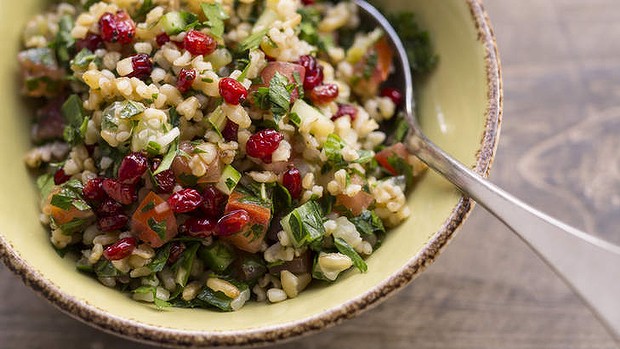
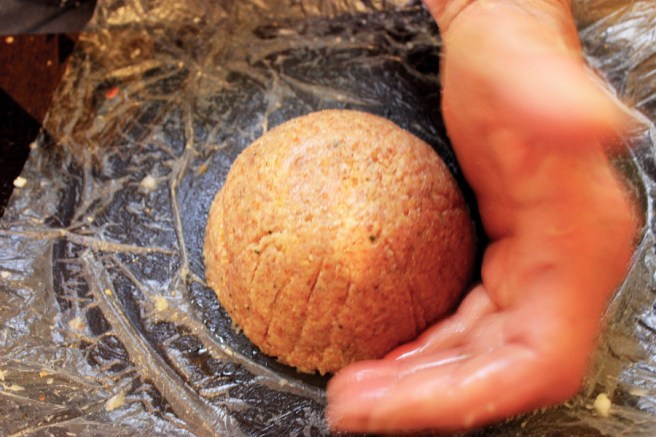
I always laugh when the mother in law in My Big Fat Greek Wedding is flabbergasted that her son in law doesn’t eat meat. A Lebanese version of that would be: “You don’t eat no Kibbeh? Kiff ya3neh? Ba3milak kibbet batata? Tayeb kibbet la2’tin? Shou? El borghol bya3milak nafkha! Ma a3m bifham!” (What do you mean? Shall I make you a potato kibbeh? How about a pumkin kibbe then? What? You feel bloated after eating bulgur? I don’t get it!)

Continue reading

The Reserve

post 56/365

12375249_10153768771145586_3369098499075837589_o


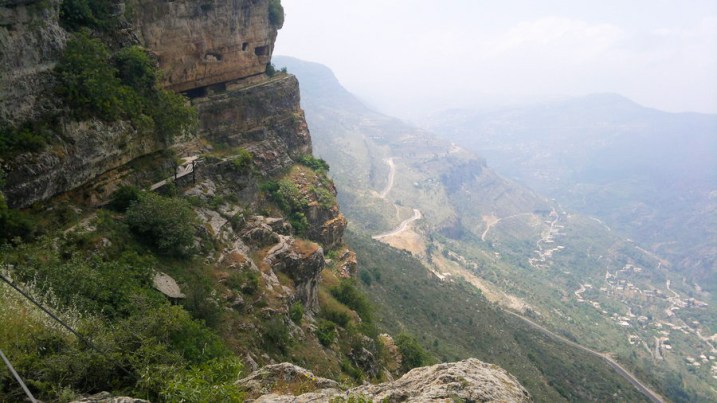
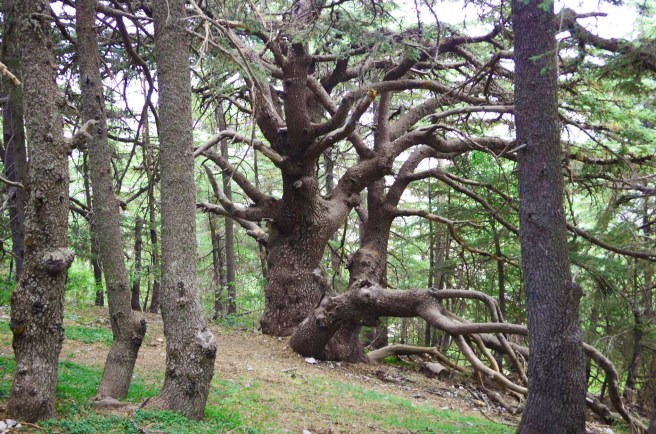
The largest of Lebanon’s nature reserves, Al-Shouf Biosphere Reserve stretches from Dahr Al-Baidar in the north to Niha Mountain in the south and overlooks both the Bekaa valley to the east and the Shouf valley to the west. Blanketed with oak forests on its northeastern slopes and juniper and oak forests on its southeastern slopes, the reserves most famous attractions are its three magnificent cedar forests of Maasser Al-Shouf, Barouk, and Ain Zhalta. At the local level several of the cedar stands are recognized as outstanding scenic landscapes, the larger cedars contributing in a most distinctive way to the landscape. It covers an area of 50,000 hectares, equivalent to about 5% of the overall area of Lebanon, making it one of the largest mountain protected areas in the Middle East.

Continue reading

The Calm and the Peaceful

post 53/365

niha__s_castle_in_chouf__lebanon_by_vonace-d515stb


Niha is a town in the Chouf area which belongs to Mount Lebanon. The word neeha in Syriac means calm and peaceful. As most names carry a poetic feel to their place, Niha is truly a serene place. Among its olive groves and its grapes, apples, plums and almonds trees, Niha, like most corners in Lebanon, owns a cultural and historical richness that dwells in the heritage of this country.

Continue reading

The Superfood

post 52/365

pd-sp-aw-20131227133035481526-620x0

The Ark of Taste, which is a foundation created by Slow Food International, Slow Food Italy, and the Slow Food Foundation for Biodiversity, is an operational body for the protection of food biodiversity. They travel the world collecting small-scale quality productions that belong to the cultures, history and traditions of the entire planet: an extraordinary heritage of fruits, vegetables, animal breeds, cheeses, breads, sweets and cured meats. The Ark was created to point out the existence of these products, draw attention to the risk of their extinction within a few generations, and invite everyone to take action to help protect them. In some cases this might be by buying and consuming them, in some by telling their story and supporting their producers.

Continue reading

The Power of the Eye

post 50/365

EVIL_EYE

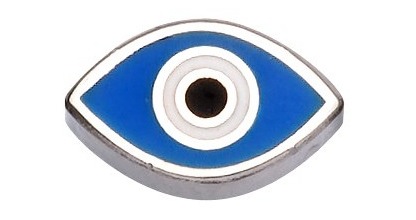
It is thought that the “evil eye” belief had its roots in ancient Egypt, and it was passed on later to Mediterranean tribes and cultures. The evil eye is a human look believed to cause harm to someone or something else. The supernatural harm may come in the form of anything from a minor misfortune to disease, injury or even death. The victim’s good fortune, good health, or good looks, can provoke an attack by someone with the evil eye. If the object attacked is animate, it may fall ill. If the object attacked is a cow, its milk may dry up; if a plant or fruit tree, it may suddenly wither and die. It can even affect objects and buildings. The evil eye cast upon a house may soon develop a leaky roof or an insect infestation. To sum it up, just about anything that goes wrong (for any reason, or no reason at all) is blamed on the power of the evil eye.

Continue reading

The Cedars of God

post 49/365

1282202105

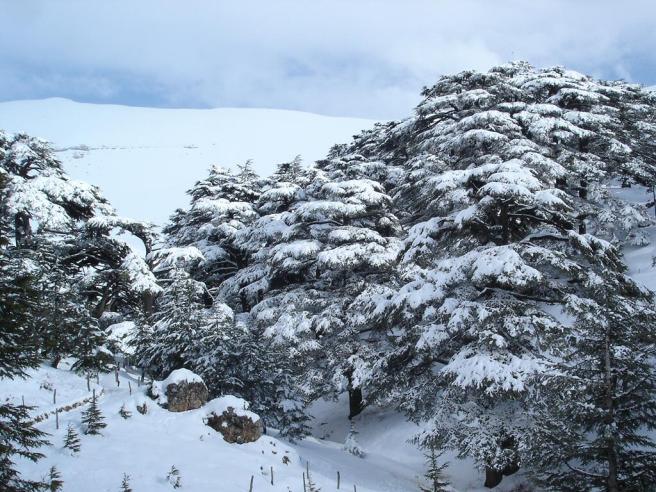
The cedars of Lebanon are an integral part of the history of Lebanon, just like Byblos, Tyre, and Baalbek. They date back to antiquity, when the Phoenicians were exporting cedar-wood to the pharaohs. The superb qualities of the cedar wood as beautiful color, hardness, exquisite fragrance, resistance to insects, humidity and temperature, incited Phoenicians, Egyptians, Greeks and many others to use it extensively. The wood was not only used for construction but more especially for nobler purposes, this was the sacred wood of the gods and used to honor the dead, a task to which the people of the ancient orient attached a deep importance. The Egyptians used its resin to mummify their dead and thus called it the “life of death”, and cedar sawdust was found in the tombs of the Pharaohs as well.

Continue reading

Our Little Armenia

post 47/365

nahr-lo


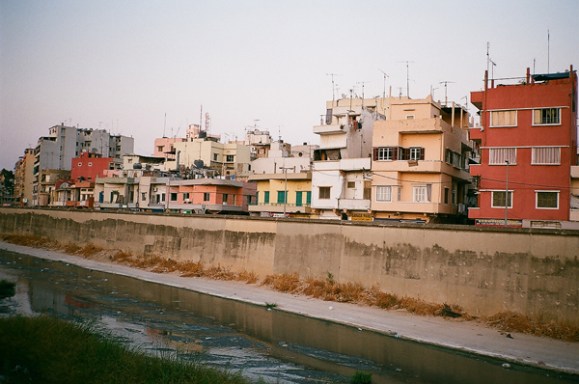
As you cross the Beirut River and enter Bourj Hammoud, you are directly transported into another world. It’s a city within a city where the smells of its restaurants fill the air and stand side by side next to jewelry, home ware, and fashion shops. Getting lost in the maze of streets selling every kind of artisanal product, you can’t help but feel transported out of Lebanon and into Armenia with shop signs written in two languages, Armenian and mostly English. Lebanon is home to around 230,000 people of Armenian descent, the sixth largest Armenian population outside Armenia worldwide.

Continue reading

The Knight

post 46/365

unnamed-2

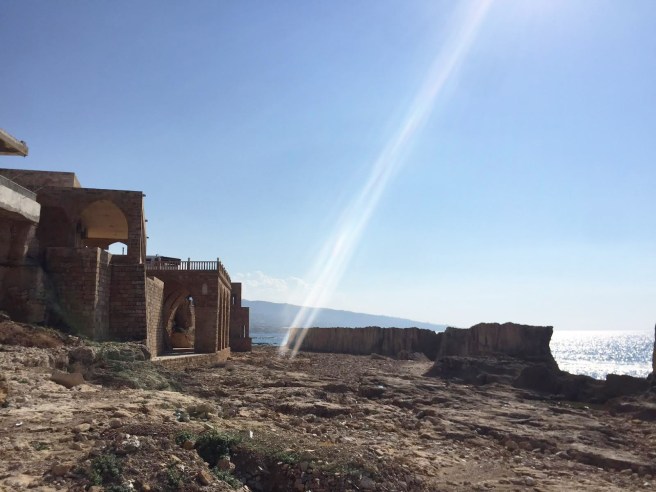
The Phoenician wall is a beautiful historical landmark on the coast of the city of Batroun. Batroun is considered to be one of the most important towns during the Phoenician period. The Wall is thought to be the inspiration for the town’s name by some historians. Batroun is thought to come from the Arabic word “bater” meaning to cut. This is in reference to the wall “cutting” the sea to protect Batroun from potentially destructive tidal waves. Other historians believe that the name of the town is derivative of the Phoenician words, beit truna, which translates to house of the chief.

Continue reading