The Cultural Migration

post 137/365

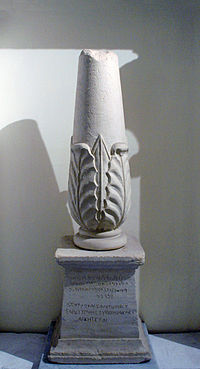
Phoenician_Cippus_in_Malta


The Cippi of Melqart are a pair of ornamental pillars with engravings found by the Knights of St. John on the Island of Malta in the village of Marsaxlloc, they are considered to be from the 2nd century BCE. It is in this village that the Phoenicians reputedly landed in the 9th CE BC and set up trading posts. In the temple of Tas-Silg, the Cippi were unearthed, one cippus being gifted to Louis XVI by the grand master of the knights of St. John in 1782. This cippus now sits in the Louvre and the other in the National museum of archaeology in Valetta.
Continue reading

The Last of its Kind

post 136/365

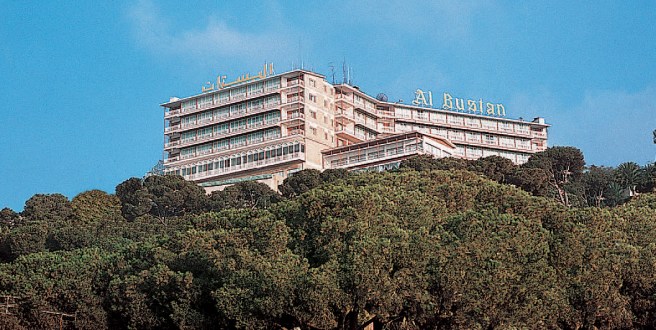
IB166

There is something about old glamour that lingers in the air of Al bustan hotel like an old whiff of Lebanon that has almost disappeared. Built on the top of Beit Mery hill, overlooking Beirut and the Mediterranean Sea, the Hotel Al Bustan has been a city landmark since opening in 1967. A favorite among discerning travellers, this luxury property combines breathtaking views a quiet location away from the bustle of the city.

Continue reading

A Tyrian Odyssey

post 135/365

eGruposDMime.cgi

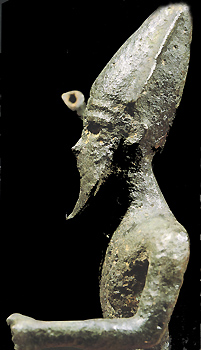
In Lebanon there is a heritage so rich in history and an influence that pervades through the ancient Mediterranean basin. The mysterious nature of this time makes myth and legend the ancient’s form’s history. The mythological assimilation of ancient Gods and Goddesses creates a weave compounded by time, mystery and interpretation. In this way a beginning can be found in a seed or a stone and the worship of the mythological Astarte, the queen of heaven and her son, Baal.

Continue reading

The Flavor of the Sun

post 134/365

zaatar31-700x486


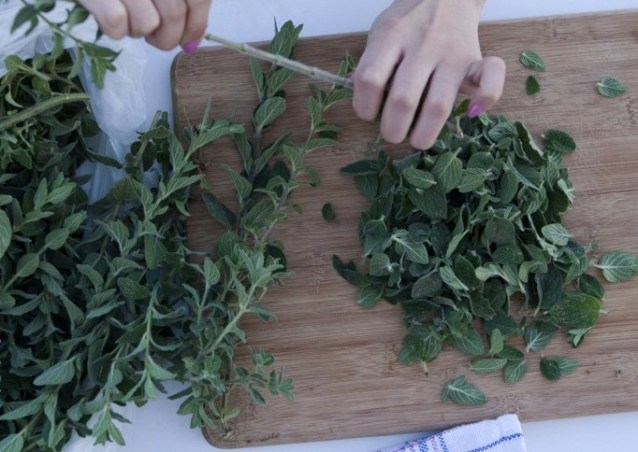
Za’atar is a blend with deep historical and emotional roots. The smell is strong but not hot, rich but sharp, lemony and a little earthy. Za’atar has an amazing and unique flavor that is aromatic, and tangy at the same time. Eaten in the Middle East for centuries, Za’atar has a fascinating history. The word refers both to the alluring spice mixture that you eat at home, and to the wild oregano. It’s been part of the Mediterranean diet for thousands of years.

Continue reading

Taking Pride in our Heritage

post 132/365


Things we never thought

Thoughts we never think

Things we put behind

Things we never find

Things we never forget

Never wondering why

Times that we forget

And things we burry behind

Things that we miss

Are easily found


Things we never hide are our

Heritage, Roots, and Pride


Youmna Medlej is a photojournalist born in 1956. She studied photography in France and started making reportages on geographic and historical landmarks upon her return to Lebanon,  as a way for Lebanese to rediscover their country after the war. But it was during her participation in Solidere’s excavations in the early 1990s that she discovered and developed her passion for heritage and archeology. At the time, the market was virtually devoid of heritage-oriented material. She thus resolved to introduce the young and old readers to the most prominent cultural and historic icons of their country.

Continue reading

Our Beloved Corniche

post 130/365

corniche-spring

As the stillness and splendor of the sea glints, 
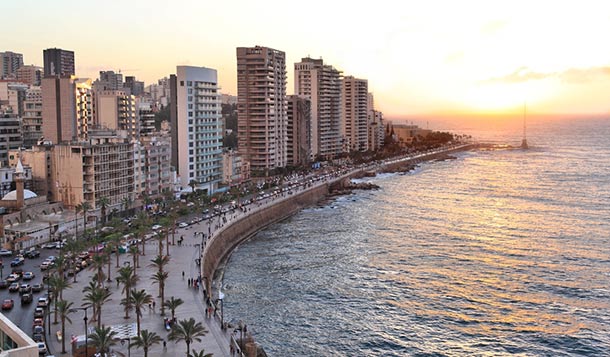
I casually walk down the open skies facing it. The warm morning sun, wind bearing taste of waves, calming sapphire waters, creases upon the shore, 
bringing mild currents, 
crashing onto the rocks, carrying with it the crisp salty Mediterranean sea breeze that hum a tune that is forever Ras Beirut.

Continue reading

Standing Against Corruption

post 129/365

sakereldekkene

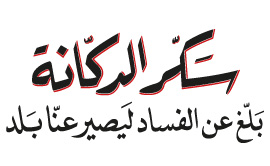
It is hard to wait for something you know might never happen, but it’s even harder to sit there and do nothing about it. The fight for justice against corruption is never an easy one. In a country where one feels that their life is similar to a pawn on a chessboard, and action might not lead to much, most Lebanese have resigned to the fate of the majority, which is to live in corruption. Yet as Karl Klaus stated “corruption is worse then prostitution. The latter might endanger the morals of an individual; the former invariably endangers the morals of the entire country.”

Continue reading

Is it a Yes or a No?

post 128/365

OLYMPUS DIGITAL CAMERA


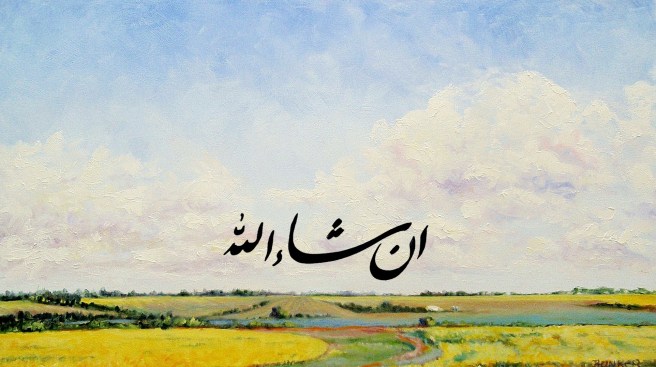
“Nshallah”, lebanese for ʾin shāʾa llāh, meaning God willing, or if Allah wills, although claimed to be an essentially Islamic expression, is more accurately understood as a Middle Eastern, and especially Levantine, expression. Its enthusiastic utterers include Lebanese of all religious backgrounds. It’s  equivalent to saying hopefully.

Continue reading