
post 105/365
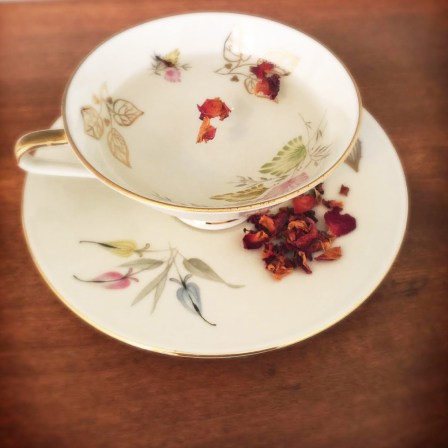
One of the most pleasurable cups of coffee I sip isn’t actually made from coffee beans at all; it’s a Lebanese ahwe bayda, a soothing tisane like hot beverage made from sweet-scented orange flower water.
post 105/365
One of the most pleasurable cups of coffee I sip isn’t actually made from coffee beans at all; it’s a Lebanese ahwe bayda, a soothing tisane like hot beverage made from sweet-scented orange flower water.
post 104/365
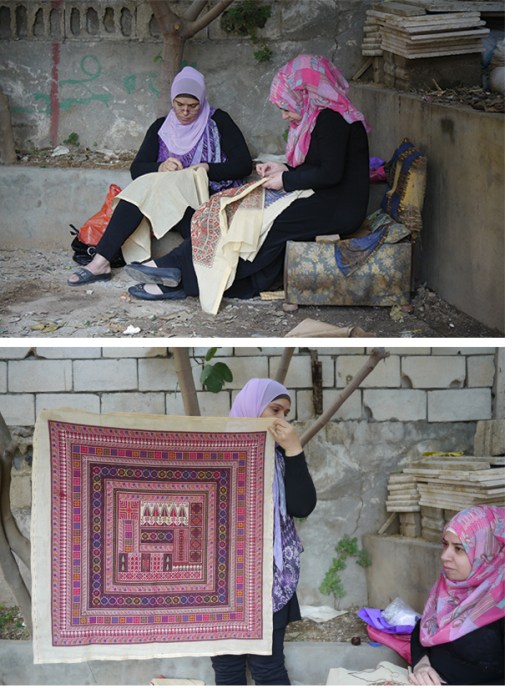
Soul searching for one’s identity and heritage comes in different ways. Clothing expresses aspects of identity in all societies. In Palestine before the middle of the twentieth century, women in each local region created garments with distinctive types of embroidery and decoration that immediately established the wearer’s origin. To those who knew the regional variations in style, patterns, and colors of embroidery, a quick look at a dress was enough to determine the wearer’s region and even village.
post 100/365
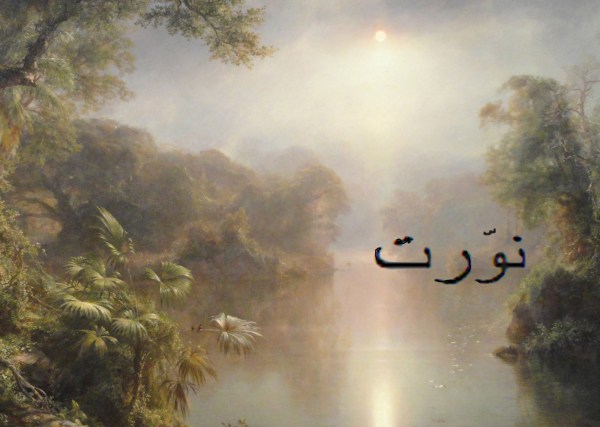
Greetings in the Arabic language are one of its treasures. The beautiful heartfelt words that one greets another human being in Arabic casts a certain air of fondness and kindliness that is not present in any other language. There is a saying, “you never have a second chance to make a very good first impression.” I believe that to be true when it comes to greetings; that moment when you catch someone’s eyes and you both smile, your body language and the way you greet one another, will set the mood and reveal your feelings about that person.
post 95/365
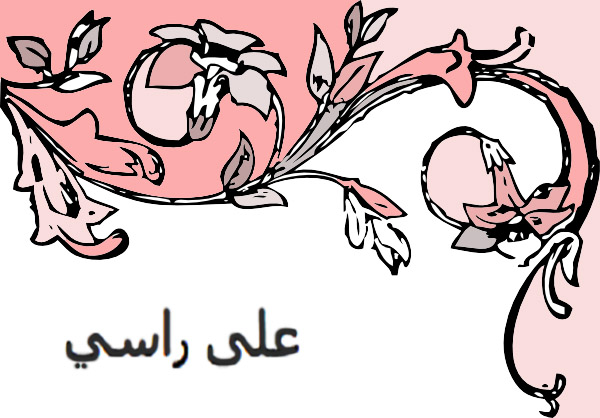
Arabic is a wonderfully expressive, visual language. Many terms used throughout the Arab world would not make much sense out of context, or if translated into another language. Oftentimes, colloquialisms or even idioms are the hardest part of a language for a foreigner to understand, as they are so deeply rooted in the culture.
post 87/365
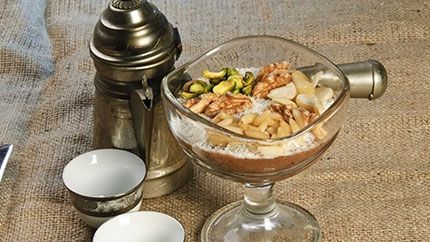
Days before a woman is about to give birth, the whiff of cinnamon and caraway start filling the house with their comforting aromas full of warm spicy notes. No Lebanese baby can be welcomed into this world, without the proper and best Meghlé. This dessert is a rice pudding made from rice flour, sugar and cinnamon with ornaments of desiccated coconut flakes, pistachios, walnuts, almonds and pine nuts making it one fancy dessert reserved for such delightful occasions. It is infused with the warming flavors of cinnamon, caraway and anise. This exotic dessert is a taste of our culture, and insight into our spice-filled way of life.
post 78/365

I am sure you’ve heard this about a million times before “ya pappy, kam mara iltilak haj thot ossba’ak bi mounkharak” (oh, daddy, how many times have I told you to stop putting your finger in your nose). Oh no, wait, it’s not what you think… it’s not the child reprimanding the dad for putting his finger in his nose. It’s the dad whose calling his son dad.
post 75/365

Beloved for her powerful voice, Sabah, actress and entertainer, was never far from the limelight during her six-decade career.
post 66/365
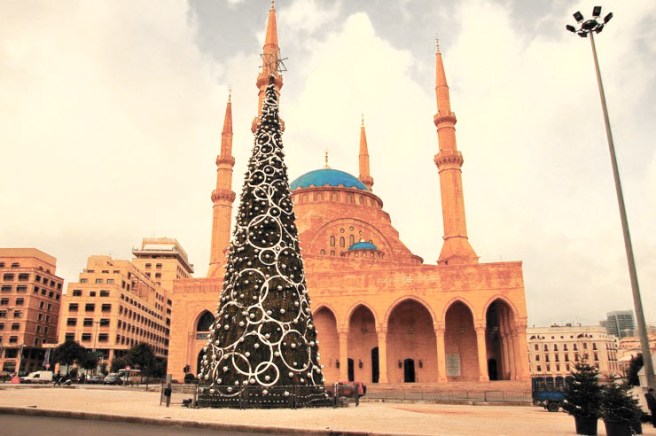
Christmas is a special time of year, a time filled with festivities and cheer. The lights are up, magic fills the air as people rush to get gifts. Children wait in anticipation for Father Christmas and all the gifts they will be receiving. All the wrapped presents under the tree topped with a golden star for all to see. But those gifts don’t at all compare to the beauty of having the family around. As we start this solemn slalom towards a week that ends engorged, with stomachs bloated whilst we gloat and toast a perfect holiday, let us remember that December is about reunion, love, and sharing this small world we inhabit.
post 64/365
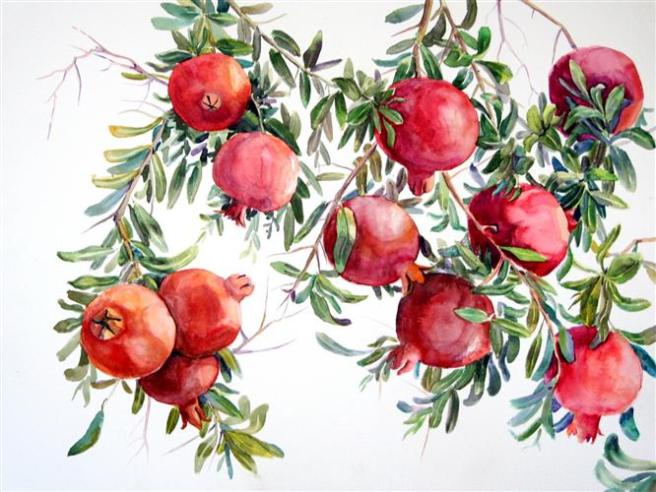
The pomegranate originated in the region of modern-day Iran and has been cultivated since ancient times throughout the Mediterranean region and northern India. In Lebanon it is typically in season from September to February. Its name derives from Medieval Latin pōmum “apple” and grānātum “seeded”. While the apple usually takes the blame for humanity’s fall from grace, some biblical scholars have suggested that the forbidden fruit of the Bible wasn’t an apple, but this red beauty.

 365 Days of Lebanon