Old Glamour

post 121/365

liza1

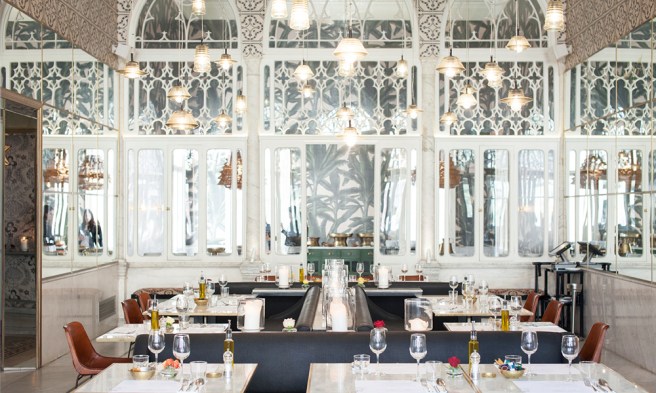
Some places exude elegance and a certain refinement just by there mere esthetic; such is the case of this beautiful Lebanese restaurant in the heart of Achrafieh. Liza restaurant occupies the second floor of former Abdallah Bustros’ 19th-century palace. Devised by designer Maria Ousseimi, LIZA’s historically charged, romance infused interior is a reflection of a very tangible reverie of old glamour infused with modern interior that flows from one room to the next.

Continue reading

Celebrating the First Tooth

post 117/365

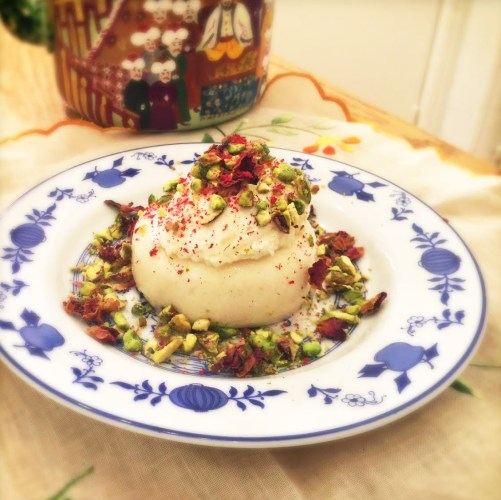
mayaoryan-snayniyeh-blog

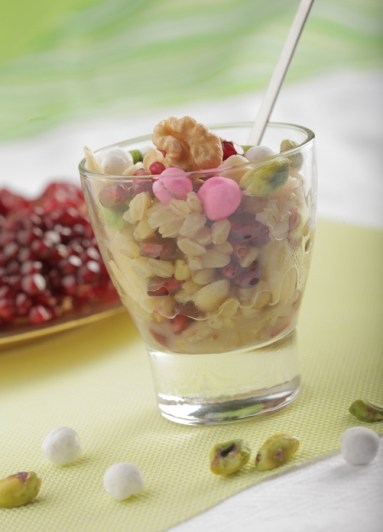
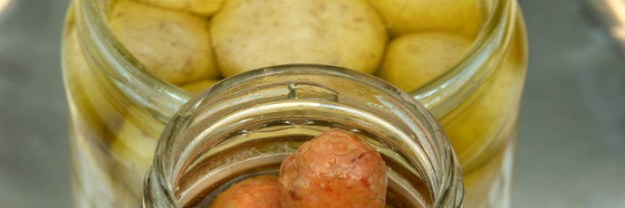
In Lebanon, we practically have a different kind of dessert for every occasion. Meghleh to celebrate the birth of a child, Snayniyeh for teething, Maamoul for Easter, Awwamat for Ghtas, killaj for Ramadan, a’mhiye for Barbara, and. Every dessert’s name hides a little story behind it. Snayniyeh is derived from “snan”, which means teeth and this scrumptious dessert is usually prepared to celebrate the appearance of a child’s first tooth.

Continue reading

The White Bowl of loveliness

post 112/365

LABNA_MG_0479-copy-652x978

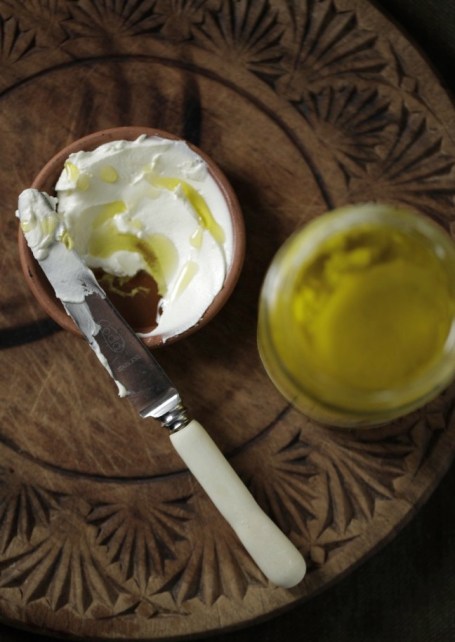
What if you were to indulge, just completely let go, and sink into a fresh bowl of Labneh? Become drenched in that sour creamy texture encapsulating everything that is great about our food. Taste it. Savor it. So rich, your tongue becomes thick with it. Frothy and smooth with a hint of saltiness, it’s a dish saturated with pure bliss, overflowing at the brim with zesty green olive oil.

Continue reading

For the Love of Bread

post 102/365

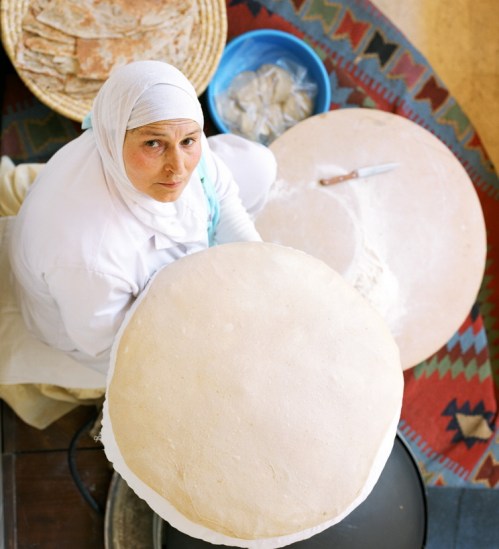
South-Mount-Lebanon-A-Women-Preparing-Markouk-Bread-Photo-by-Teddy-Mouarbes-Copy


The relationship between humans and wheat, bread’s key ingredient, goes back thousands of years to hunter-gatherer times. Wheat is known to have grown on several continents in ancient times, though it thrived mostly in an area known as the Fertile Crescent, a region that includes parts of modern day Lebanon, Egypt, Iraq, Syria, Jordan, and Palestine.

Continue reading

The Fertile Land

post 101/365

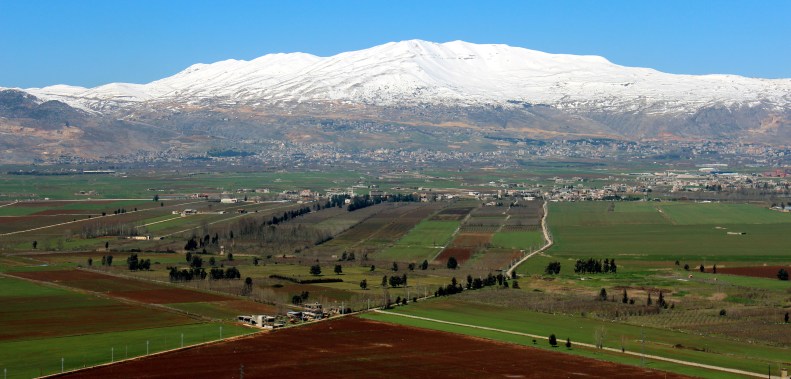
Bekaa-Valley.jpg


The fresh flowers blooming in the spring sway with the grass to the rhythm of the wind. All of this happens so fast, so quickly, no one notices. Here in the valley, lost in their labors, people work this fertile land, alike so open and welcoming, they are. The many vineyards of this valley are like a necklace that adorns her. The sun sits above her at daytime as the stars open up at nighttime. The motionless hills that surround her are like hips altered with age.

Continue reading

Lebanese Nights

post 93/365

unnamed


The many charms of Lebanese food is its varied desserts, rich, sweet, and full of flavors. Sometimes a name can elevate and carry a certain resonance to something so simple. This amazingly aromatic dessert that is quite refreshing with a rich complex taste stemming from subtle hints of Mastic (Arabic Gum), orange blossom water and rose water carries a poetic name that speaks volumes about our culture.

Continue reading

Meghlé

post 87/365

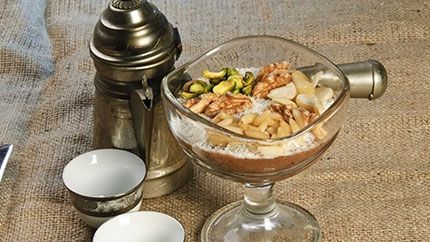
1838a7faa6d64d40a3c4d7bb48f94111


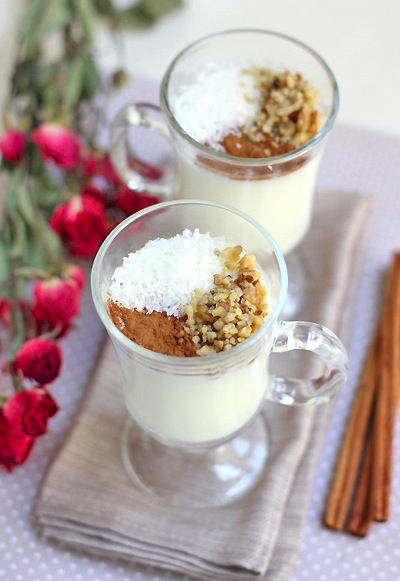
Days before a woman is about to give birth, the whiff of cinnamon and caraway start filling the house with their comforting aromas full of warm spicy notes. No Lebanese baby can be welcomed into this world, without the proper and best Meghlé. This dessert is a rice pudding made from rice flour, sugar and cinnamon with ornaments of desiccated coconut flakes, pistachios, walnuts, almonds and pine nuts making it one fancy dessert reserved for such delightful occasions. It is infused with the warming flavors of cinnamon, caraway and anise. This exotic dessert is a taste of our culture, and insight into our spice-filled way of life.

Continue reading

The Poor Man’s Cheese

post 77/365

kecheq-libano.jpg

Another slow food foundation for the protection of food biodiversity is our very own keshek el foukara (poor man’s cheese). Majdel Zoun is located around ten kilometers from the ancient city of Tyre, a small village of Muslim farmers situated in a dry stony landscape. Their Keshek el fouqara in fact uses no milk, whereas keshek is commonly made with goat’s milk yoghurt.

Continue reading