Dar Onboz

Post 14/365

unnamed-6

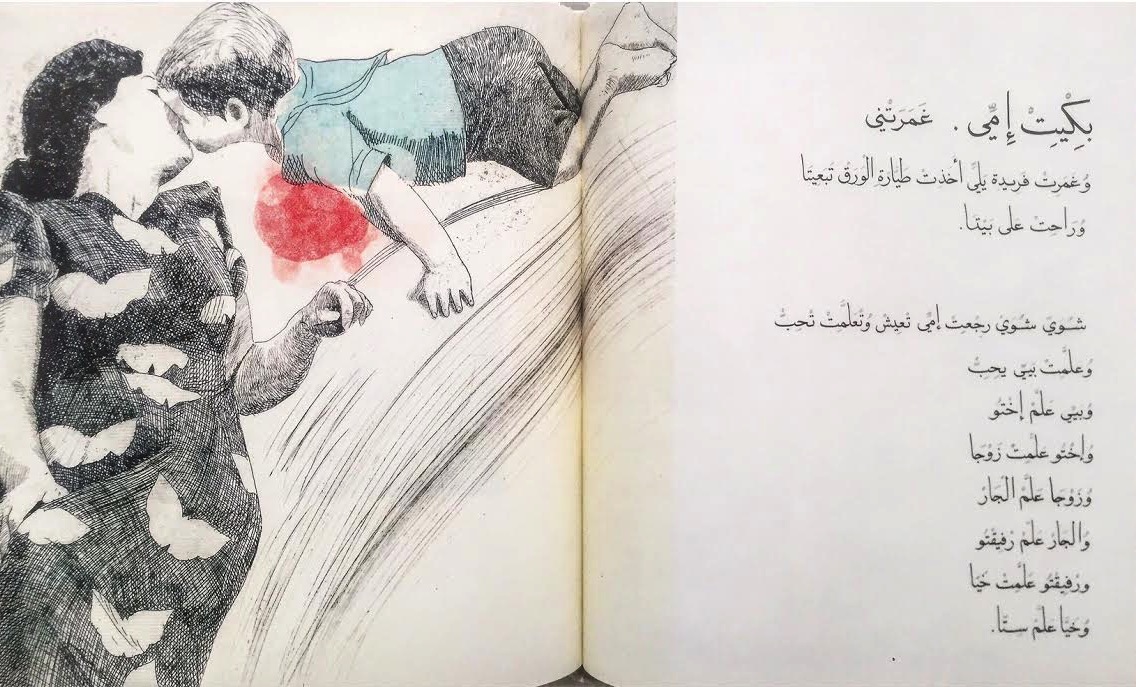
Dar Onboz, literally meaning the house of hemp seeds, is an independent award winning publishing house founded in 2006 in Beirut by Nadine Touma and Sivine Ariss. The ethos of their work is to produce and print beautiful books for children and young adults that celebrate the arabic language and its richness. Its name is inspired by Touma’s grandmother who used to be a legendary story teller and loved hemp seeds which she stored in her kitchen closet (namliye). 
Continue reading

The Land of Plenty

Post 13/365

unnamed

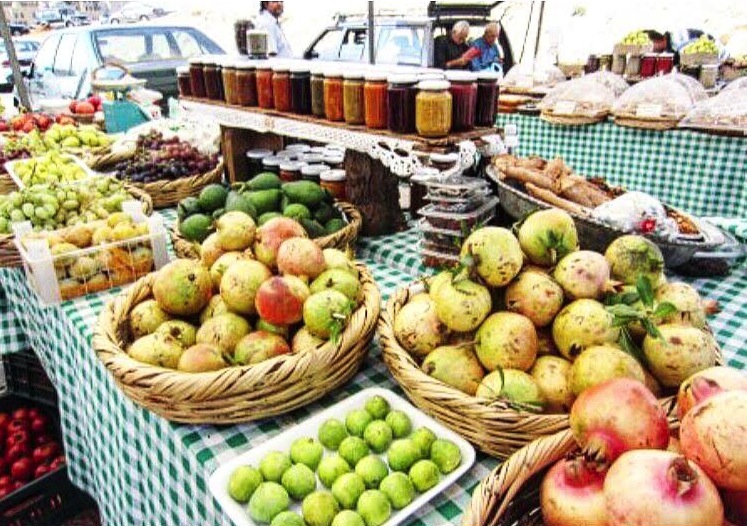
Lebanon, which has a variety of agricultural lands, from the interior plateau of the Bequaa valley to the narrow valleys leading downward to the sea, enables farmers to grow all kinds of crop. Tobacco and figs are grown in the south, citrus fruits and bananas along the coast, olives in the north and around the Shouf Mountains, and fruits and vegetables in the Beqaa Valley. More exotic crops include avocados, grown near Byblos. The very rare combination of clay/silty soil, calcareous water, and an average of 300 days of Mediterranean sunshine provides an environment in Lebanon for outstanding full flavoured fruits and vegetables. The fact that Lebanon has an area of 10452 km2 makes it possible for us to eat fresh produce all year long.

Continue reading

Fayrouz

Post 12/365

unnamed-1

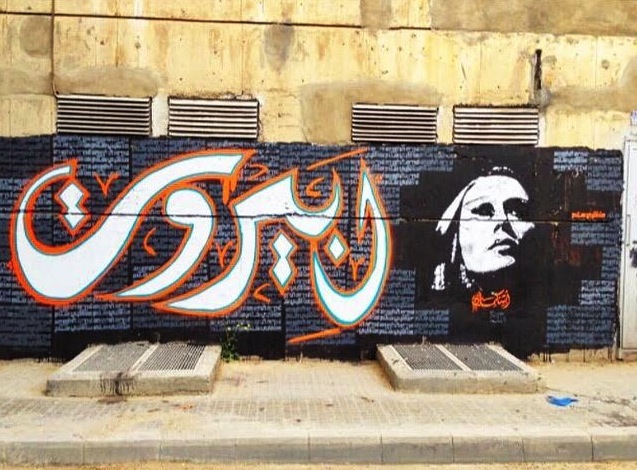
Nouhad Haddad, famously known as Fayrouz, meaning Turquoise gemstone is certainly one of the greatest Arab singers of the 20th century. A true gem, whose songs have become the soul of her country.

It was Lebanon’s civil war, from 1975 to 1990, that both shattered the country’s tolerant society and cemented Fayrouz’s reputation, refusing to leave the country, as a cultural symbol beloved by Arabs of any political or religious stripe. When shellfire ripped through Beirut and its residents cowered in their basements, radio stations of all persuasions broadcasted her plaintive ode to the city called Li Beirut, (To Beirut).

Continue reading

The Barbers, Beirut’s Last Gentlemen

Post 11/365

unnamed-2

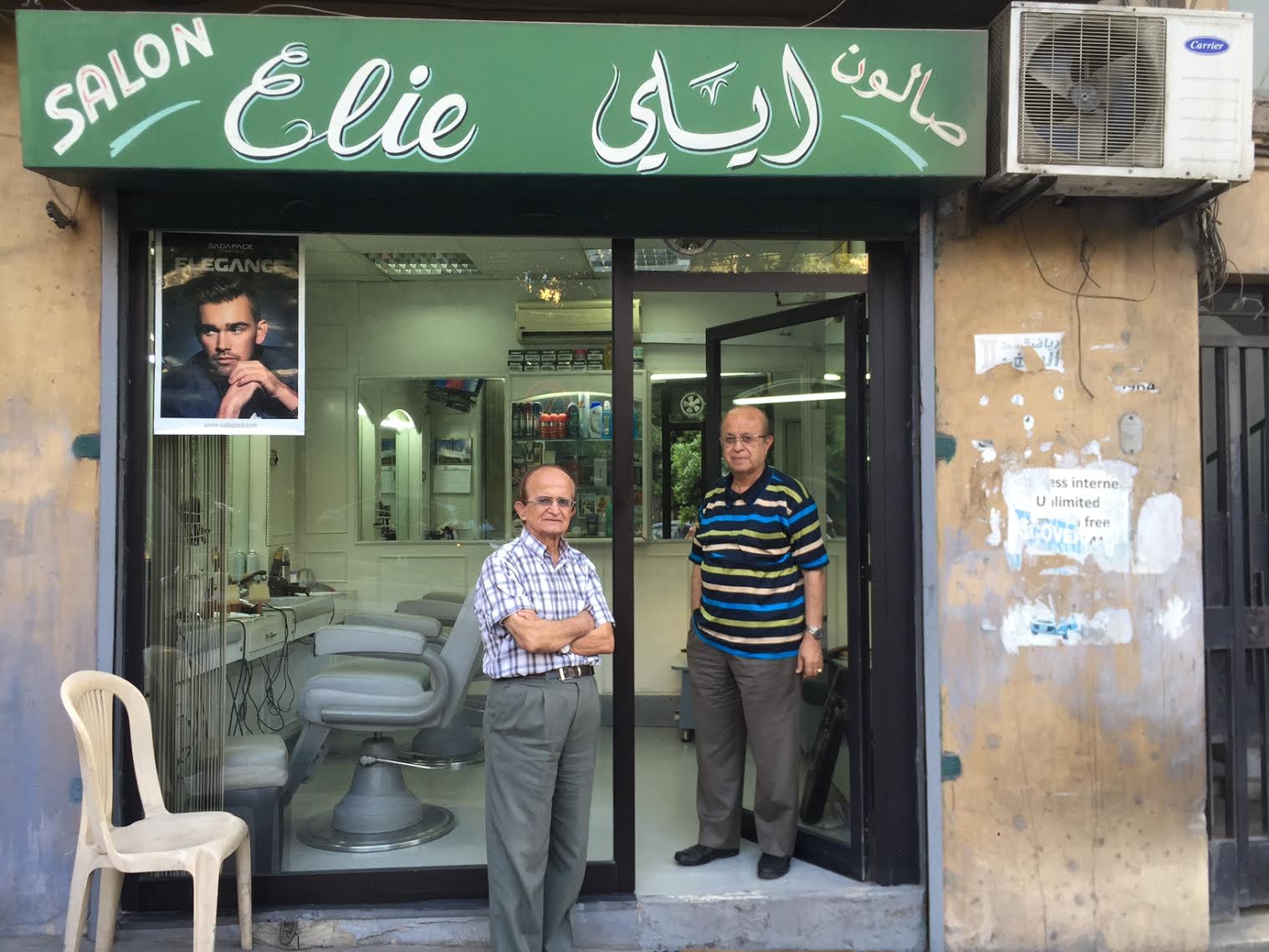
The 1880s to the 1960s were the golden age for barbershops. During this time, men socialized in all-male hangouts. Visiting the barbershop was a weekly, and sometimes daily habit. Men would stop in, not only for a haircut and a shave, but also to fraternize with friends. Things have shifted over the years and somehow our barbershops are being less and less frequented specially by the younger generation.

Continue reading

Sursock Museum

Post 10/365

unnamed-3

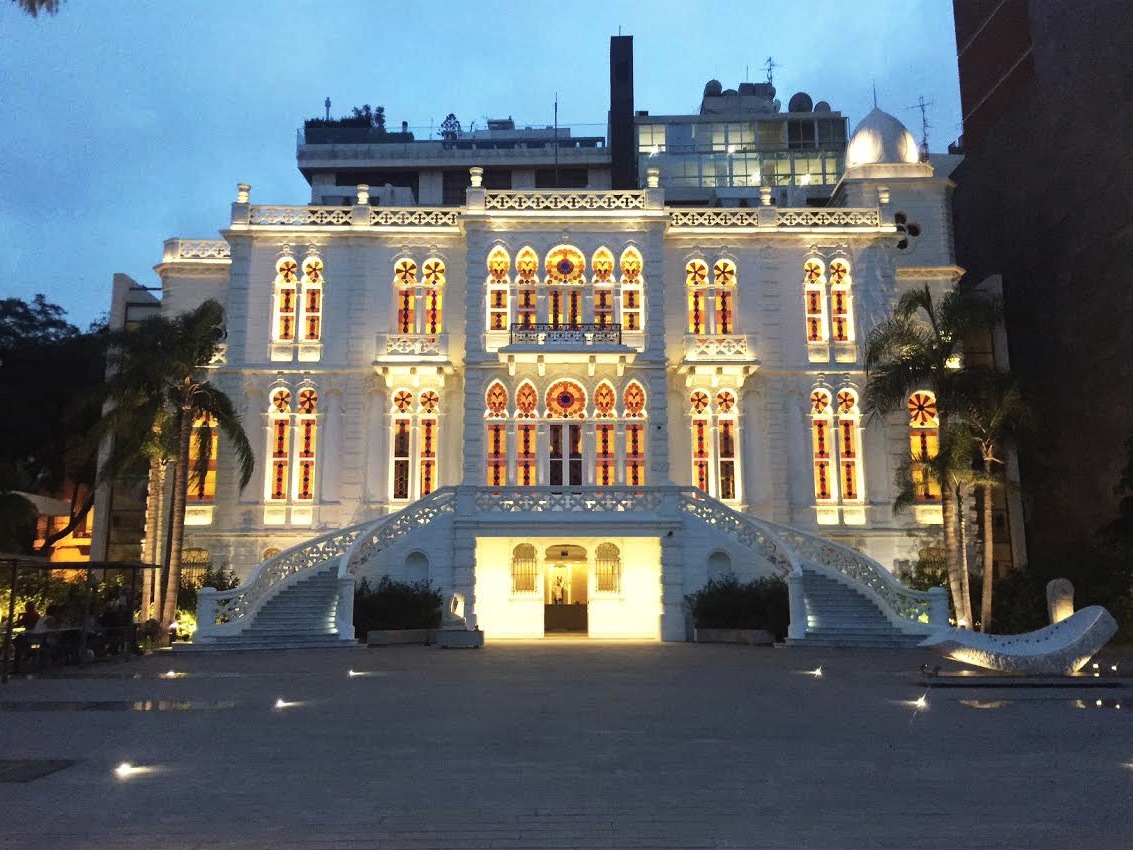
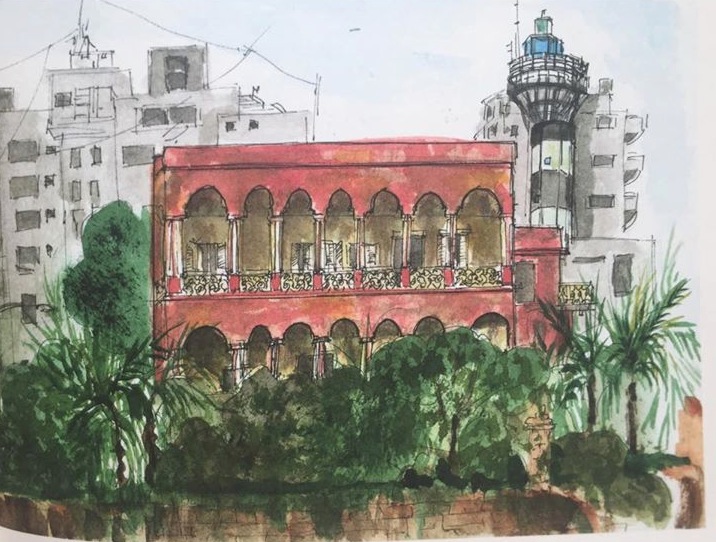
The Sursock mansion, completed in 1912, is an ornate, white wedding cake of a building. It combines Venetian and Ottoman architectural styles. The building is a melange of influences, much like Beirut. Originally the residence of aristocratic art-lover Nicolas Sursock, it was bequeathed to the city on his death in 1952. When it opened as a museum in 1961. The mansion housed exhibitions from artists in the Middle East and around the world, as well as the prestigious Salon d’Automne for local figures. It’s finally open again after 8 years of renovation and a 12 million$ lift.

Continue reading

The Mezze

Post 9/365

unnamed-4

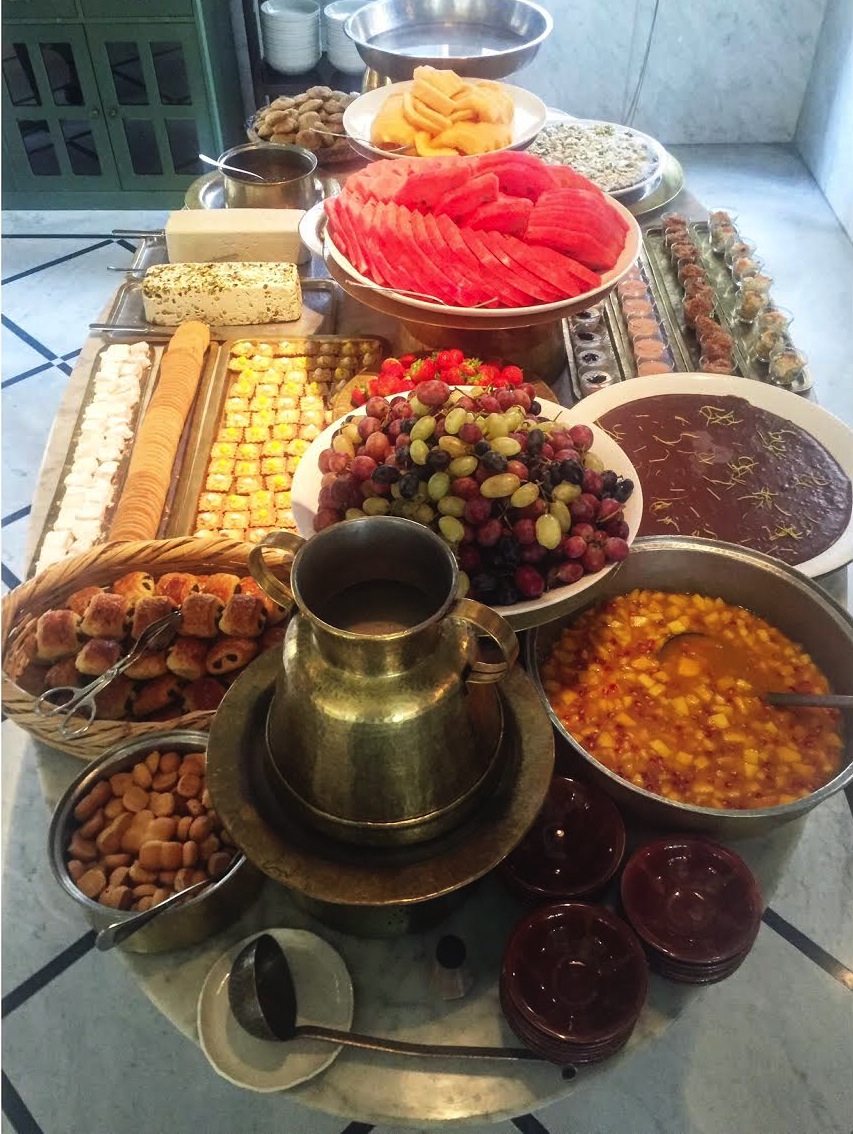
Like most Mediterranean countries, much of what we eat is dictated by the seasons. Lebanese recipes are a rich mixture of a variety of ingredients that come from all the regions. It is known that each area has its special dishes that reflects the culture of the area.
Mezze, is an array of small dishes placed before the guests creating an array of colors, flavors, textures and aromas. This style of serving food brings people together over a table where they share dishes, ask for plates to be passed on. Discussions, jokes, and heated conversations fall in between “oh but you should try this.” It’s a reflection of the social pleasure that Lebanese get out of food.

Continue reading

Horsh Beirut

Post 8/365

unnamed-8

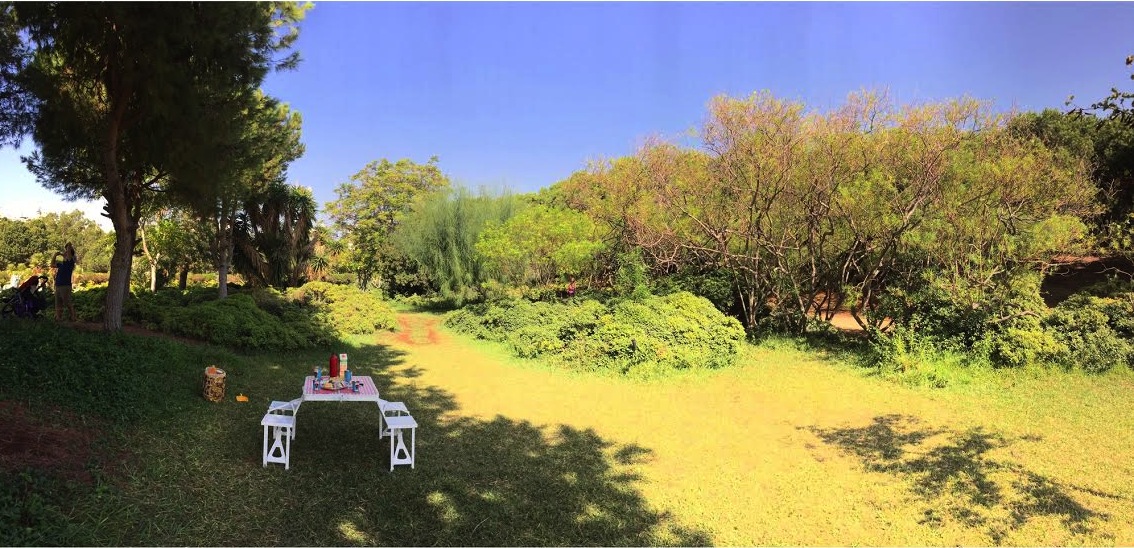
The park, which accounts for 72% of all green space in Beirut, started off as a pine forest planted by Emir Fakhr Edin II in the 17th century. When Israel invaded Lebanon in 1982, during the country’s 15-year-long civil war, the park was heavily damaged, with many of its trees burned and destroyed. It’s been closed for the general public for the last 25 years. Thanks to the amazing effort of an NGO called Nahnoo, it’s now open every Saturday.
A more sensitive issue behind the park’s closing is its precarious location directly between Sunni, Shia and Christian neighborhoods known as flashpoints for sectarian conflict.

Continue reading

Beirut

Post 6/365

12096180_10156116374250244_1530975799498258399_n

Beirut… How do I start?
Beirut’s name is derived from the Canaanite name of Beʾerōt (Wells), referring to the underground water source that is still tapped by its inhabitants (note the modern irony). It is a city of baffling contradictions blending the cosmopolitan with the provincial. 

Beirut is a collage of high-rise buildings, modern buildings, walk-up apartments, traditional four-story houses, beautiful dilapidated 2 story houses with red roofs, and run down buildings.

Continue reading

The Sea

Post 4/365

unnamed-7

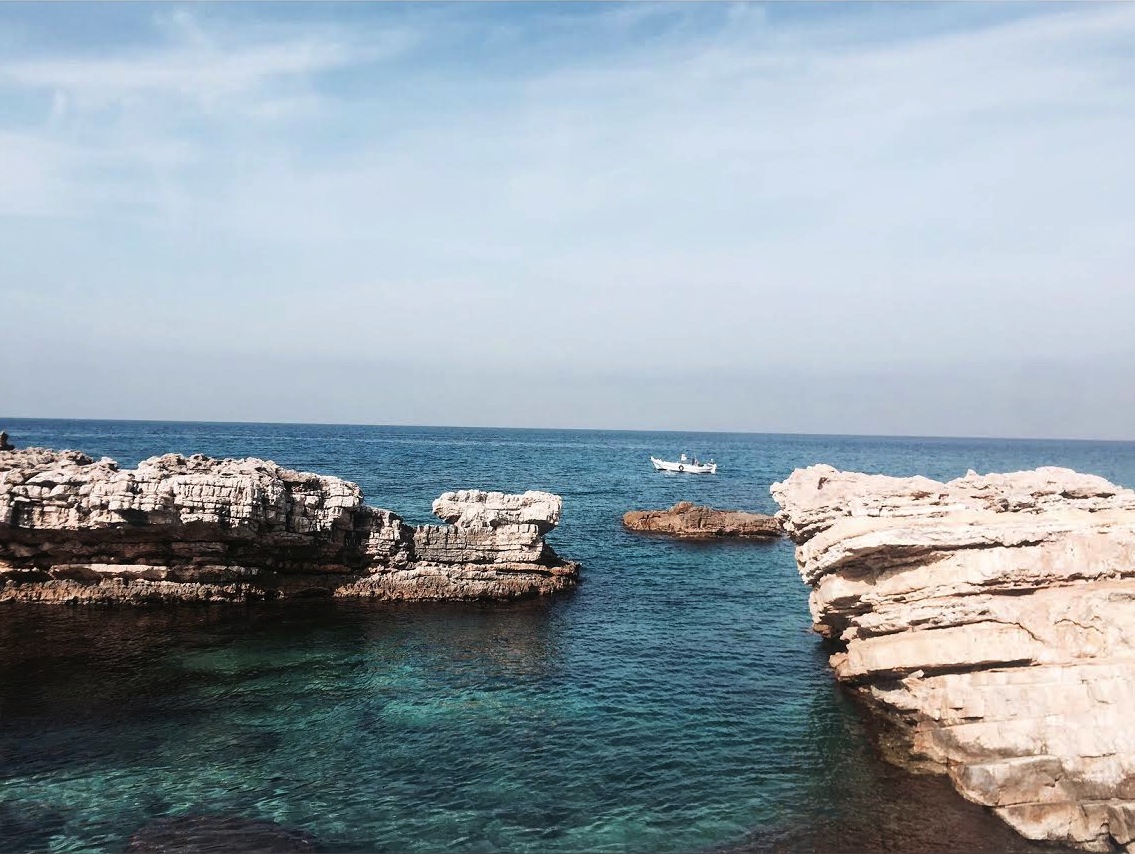
Lebanon, just by pure geography, makes the Mediterranean sea part of our daily lives. It’s length almost three times its width with a 225km of coastline. 
Now that’s nice but that’s all information. What I love about this fact is that no matter how far away I am, I am only a 2 hours drive to the sea. And I do love my sea. Just like Pablo Neruda said “I need the sea because it teaches me”.
I find my peace and my serenity and I realise that I am literally just a drop of water every time I look at its vastness. We have 225 km of pure warm blue beauty. I wish we would take better care of it.

Continue reading