The Melting Pot

post 42/365

unnamed-2


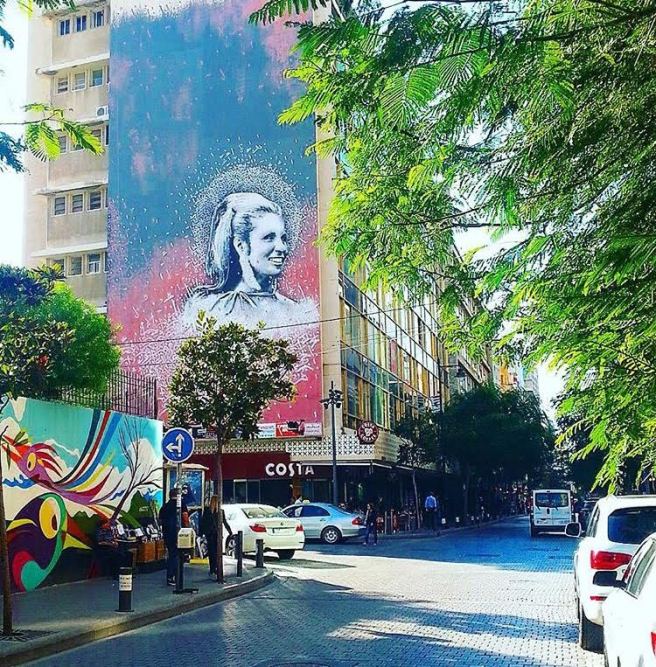
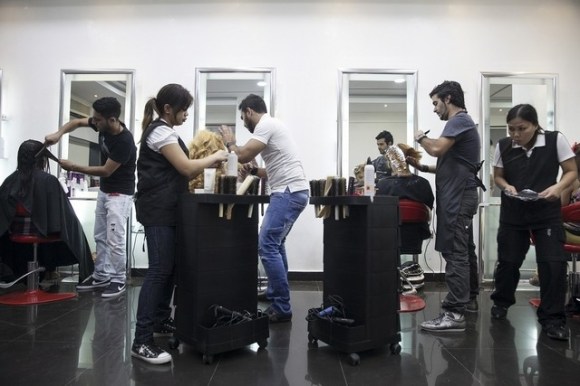
Hamra Street runs parallel to the Mediterranean coast. It is one of the main streets of Beirut. Due to the numerous sidewalk cafes and theaters that used to be around it, Hamra used to be the center of intellectual activity in Beirut during the 1960s and 1970s. It remains one of the last authentic bastions of liberalism and tolerance in the Middle East and the only cosmopolitan street in all of Lebanon. It’s the one place where sectarian, religious, and political differences don’t matter much for the people who live there. Streets have a life of their own, a life that they claim. They don’t just document the walk of history, the sound of wars and victories; they also go a long way to establish the culture of a city.

Continue reading

A Deadly Kind of Love

post 41/365

126201400083


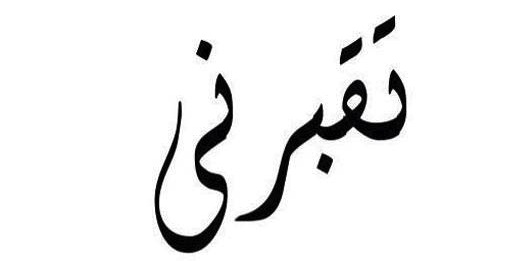
To2borne, meaning may you bury me, is by far the funniest and the most Lebanese of expressions. Try explaining it to a non-speaking Arabic friend and you’ll understand how completely absurd it is. It’s a word of endearment from one loving person to another. Parents when talking to their children or about them, grandparents, and family members, most commonly use it. It is said to a loved one meaning you wish to die before them, thus them burying you so you never have to live a day without them.

Continue reading

Gemayzeh’s Soul

post 40/365

unnamed-3

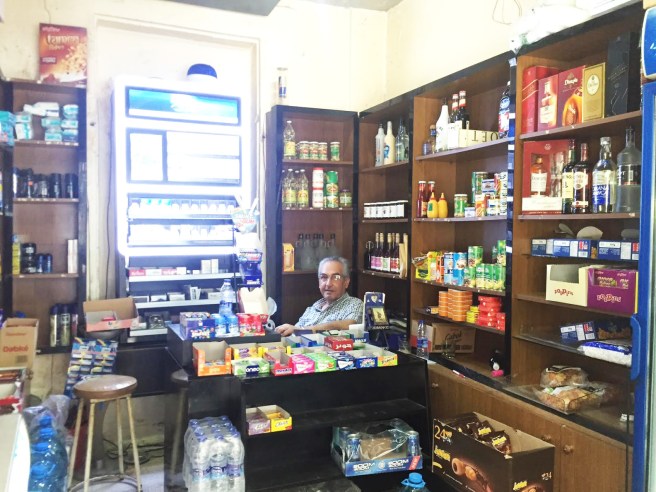
Amongst the hustle and bustle of every day life and the youngsters’ busy nightlife in Gemayzeh, lies a small shop, a very small Dekeneh of 3m x 4m. Fahed Bou Dagher owns a small grocery shop located just before Joe Penas on Boutros Dagher Street. He sells chocolates, biscuits, chips, soft drinks, nuts, a little bit of alcohol, cigarettes, and some other random things like Hummus cans, Picon cheese, and ice cream.

Continue reading

A Real Human Being & A Real Hero

post 36/365

151116163144-adel-termos-exlarge-169

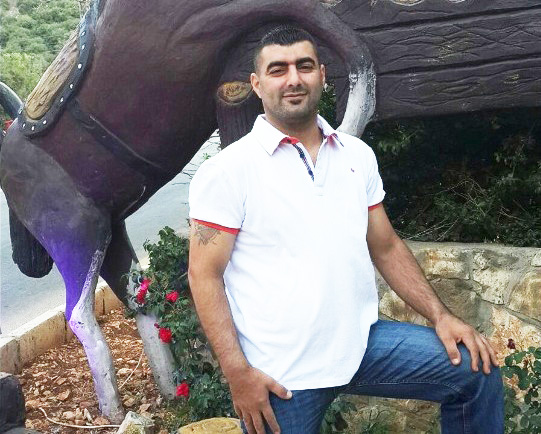
Twin suicide attacks in Borj al Brajne claimed the lives of 44 people and injured more than 200, but in the aftermath of the tragedy one man has been credited with helping to save the lives of hundreds after he lost his own life tackling one of the bombers who was preparing to blow themselves up in the crowd. As crowds began to gather outside the mosque targeted by a suicide bomber, Adel Termos, a 32-year-old car mechanic and father of two, spotted a second bomber approaching and threw himself at him. The intervention forced the bomber to detonate his suicide vest and thus saving hundreds of lives. Termos, however, died in the blast.

Continue reading

Old Men and the Sea

post 31/365

beirut-sunset-fishing-martin-giesen

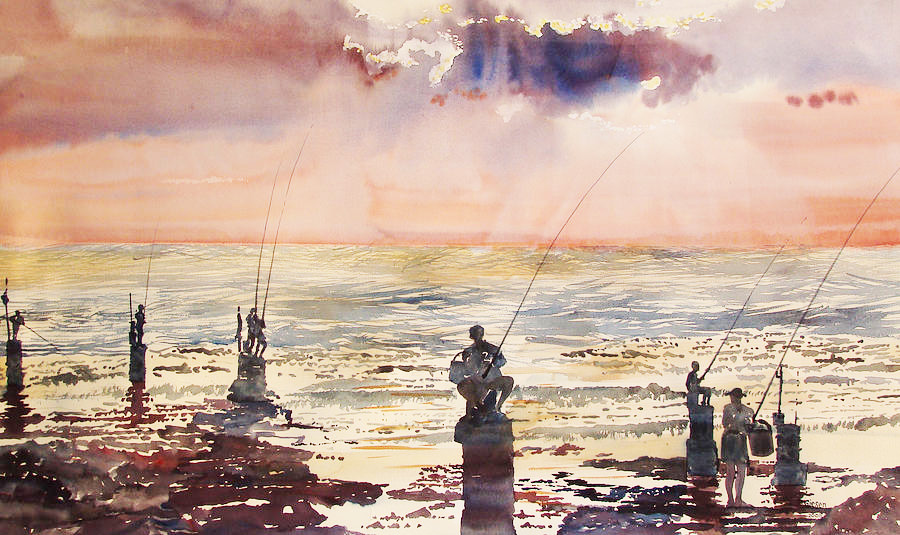
As the light starts to fill the sky and the warmth of the sun spreads on the Mediterranean Sea, a flicker of human shapes spread along the Cornish from a distance. Old men and some young ones too scatter along our beloved Cornish, one of the last democratic public spaces in Beirut, holding their fishing rods and their wicker baskets. There is nothing I love more in the morning than that little picturesque strip that has become a landmark of Beirut and its mix of people.

Continue reading

The Tanjara

post 27/365

unnamed-24

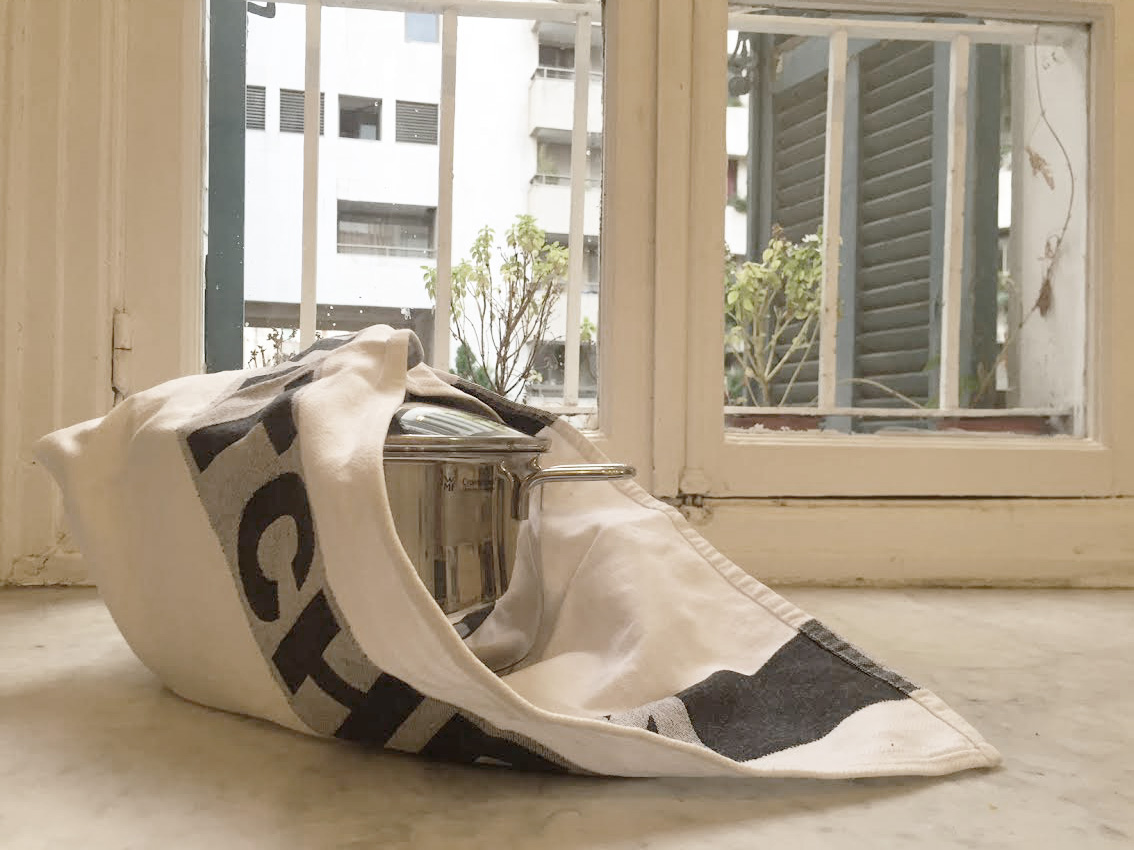
Because nothing says I love you like a warm wrapped tanjara straight from your mom’s stove, this post is dedicated to all the loving mothers in Lebanon and there are plenty of them out there. A Lebanese mom’s biggest fear is that you or your family might die of starvation. She will do absolutely everything to make sure that you and your family are well fed. Continue reading

The Marathon

post 25/365

20141110BeirutMarathon_01

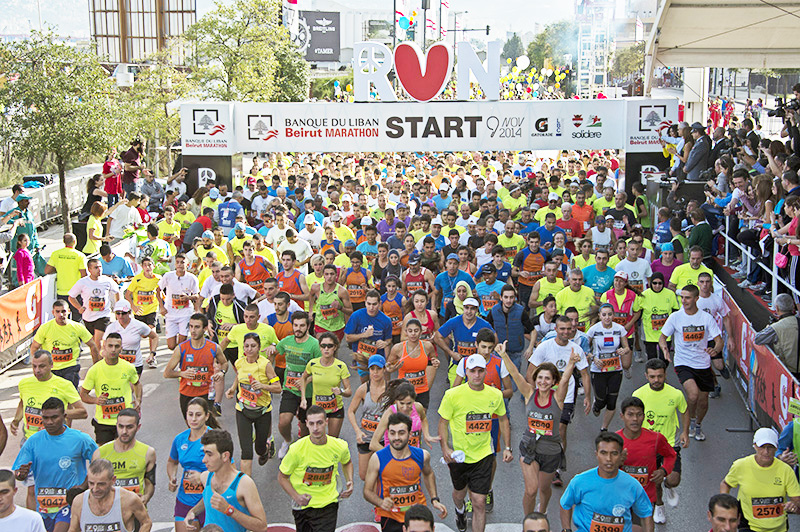
The marathon is a long-distance running event with an official distance of 42.195 kilometers usually run as a road race. The event was instituted in commemoration of the fabled run of the Greek soldier Pheidippides, a messenger from the Battle of Marathon to Athens. The marathon was one of the original modern Olympic events in 1896.

Continue reading

Beirut’s Pillars

post 17/365

unnamed-15

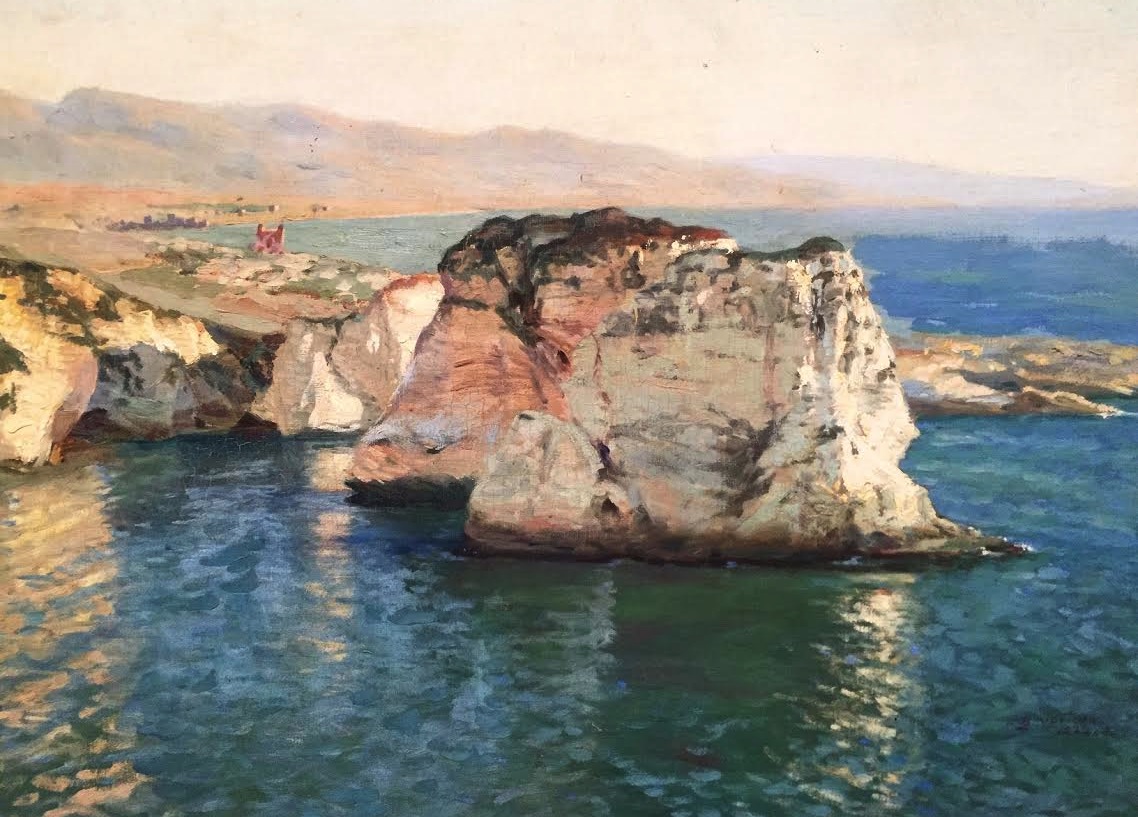
Located at Beirut’s westernmost tip, the two huge rock formations, which stand like gigantic sentinels, are a popular destination for locals and visitors alike. The natural offshore rock arches of Pigeon Rocks or the rocks of Raouche are the most famous, and indeed one of the only, natural features of Beirut. The stretch of the Corniche directly in front of the rocks is an excellent vantage point, but far more interesting is to take one of the tracks down to the lower cliffs. Today, this rocky peninsula is known as the Dalieh of Raouche, is the city’s last natural outcrop.

Continue reading