Harvesting Olives

post 51/365

2b97c4345ae2ca4d19103c6a968513d2

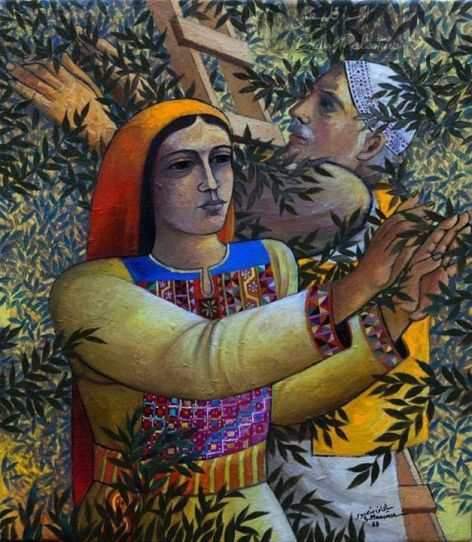
There is something surprisingly modest about olive trees, given their noble history and legendary reputation, going back far before biblical times. If you ever get a chance to climb one to pick its fruit, the feeling will no doubt remind you of climbing into the lap of a favorite old aunt, the one who’d benignly allow you to yank at her necklace without a hint of protest or resistance.

Continue reading

The Power of the Eye

post 50/365

EVIL_EYE

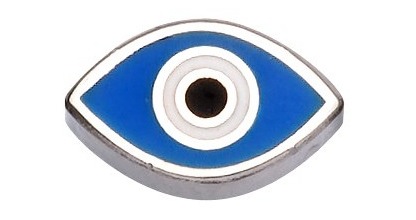
It is thought that the “evil eye” belief had its roots in ancient Egypt, and it was passed on later to Mediterranean tribes and cultures. The evil eye is a human look believed to cause harm to someone or something else. The supernatural harm may come in the form of anything from a minor misfortune to disease, injury or even death. The victim’s good fortune, good health, or good looks, can provoke an attack by someone with the evil eye. If the object attacked is animate, it may fall ill. If the object attacked is a cow, its milk may dry up; if a plant or fruit tree, it may suddenly wither and die. It can even affect objects and buildings. The evil eye cast upon a house may soon develop a leaky roof or an insect infestation. To sum it up, just about anything that goes wrong (for any reason, or no reason at all) is blamed on the power of the evil eye.

Continue reading

The Cedars of God

post 49/365

1282202105

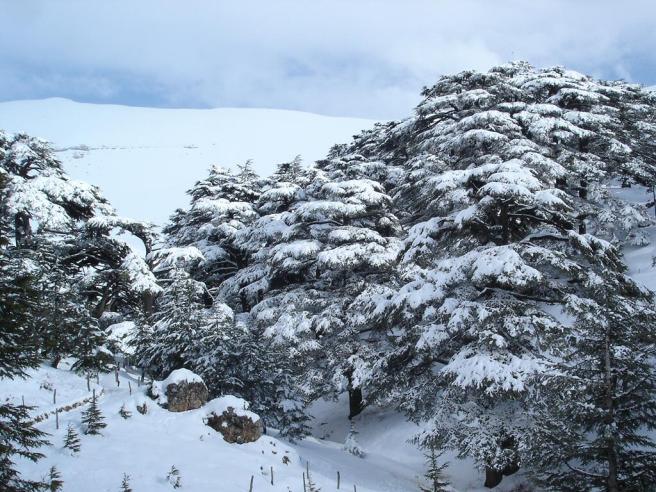
The cedars of Lebanon are an integral part of the history of Lebanon, just like Byblos, Tyre, and Baalbek. They date back to antiquity, when the Phoenicians were exporting cedar-wood to the pharaohs. The superb qualities of the cedar wood as beautiful color, hardness, exquisite fragrance, resistance to insects, humidity and temperature, incited Phoenicians, Egyptians, Greeks and many others to use it extensively. The wood was not only used for construction but more especially for nobler purposes, this was the sacred wood of the gods and used to honor the dead, a task to which the people of the ancient orient attached a deep importance. The Egyptians used its resin to mummify their dead and thus called it the “life of death”, and cedar sawdust was found in the tombs of the Pharaohs as well.

Continue reading

Our Little Armenia

post 47/365

nahr-lo


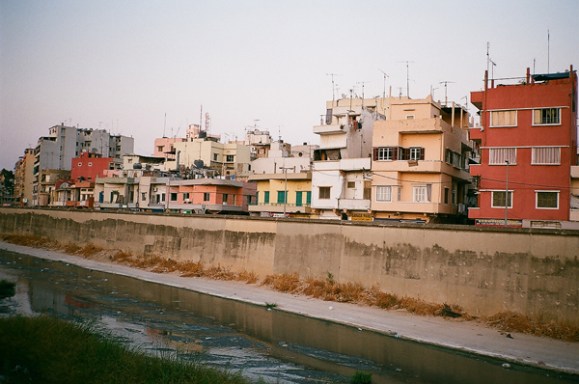
As you cross the Beirut River and enter Bourj Hammoud, you are directly transported into another world. It’s a city within a city where the smells of its restaurants fill the air and stand side by side next to jewelry, home ware, and fashion shops. Getting lost in the maze of streets selling every kind of artisanal product, you can’t help but feel transported out of Lebanon and into Armenia with shop signs written in two languages, Armenian and mostly English. Lebanon is home to around 230,000 people of Armenian descent, the sixth largest Armenian population outside Armenia worldwide.

Continue reading

The Knight

post 46/365

unnamed-2

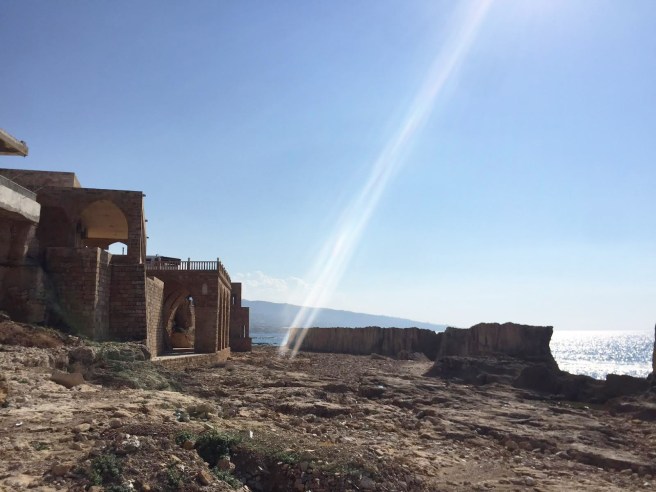
The Phoenician wall is a beautiful historical landmark on the coast of the city of Batroun. Batroun is considered to be one of the most important towns during the Phoenician period. The Wall is thought to be the inspiration for the town’s name by some historians. Batroun is thought to come from the Arabic word “bater” meaning to cut. This is in reference to the wall “cutting” the sea to protect Batroun from potentially destructive tidal waves. Other historians believe that the name of the town is derivative of the Phoenician words, beit truna, which translates to house of the chief.

Continue reading

The City of Gods

post 45/365

21714196545_cfe40e7029

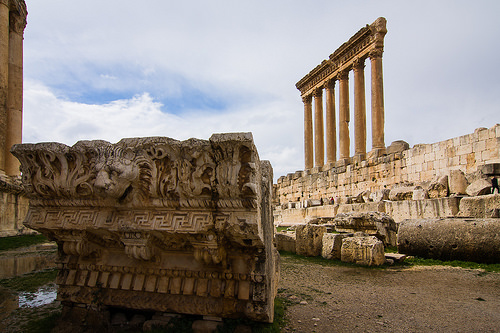
The first glimpse of Baalbek when you walk in is that of the six Corinthian columns of the Great Temple thrusting 22 meters into the skyline. Towering high above the Beqaa plain, their monumental proportions proclaimed the power and wealth of Imperial Rome. Baalbek exerts a fascination unparalleled, for among all the remains scattered here and there throughout what was once the Roman Empire, there is none quite like it.

Continue reading