
post 58/365
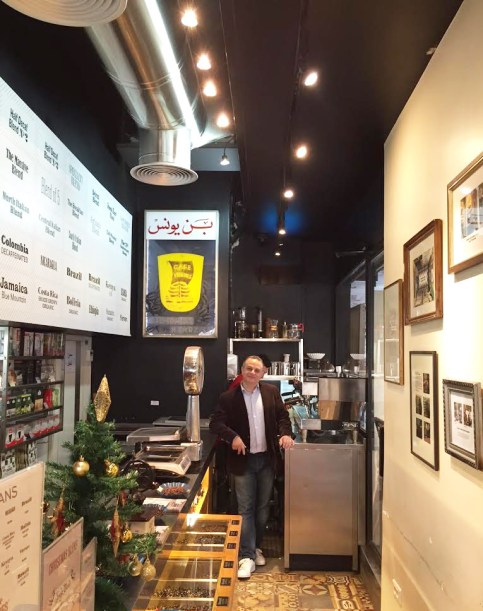
There’s something beautiful about the way people drink their coffee in the morning. In their gaze are slow long sips of determination, routine, hope, and caffeine. I can’t help but wonder what daily battles they’re preparing for.
post 58/365
There’s something beautiful about the way people drink their coffee in the morning. In their gaze are slow long sips of determination, routine, hope, and caffeine. I can’t help but wonder what daily battles they’re preparing for.
post 57/365
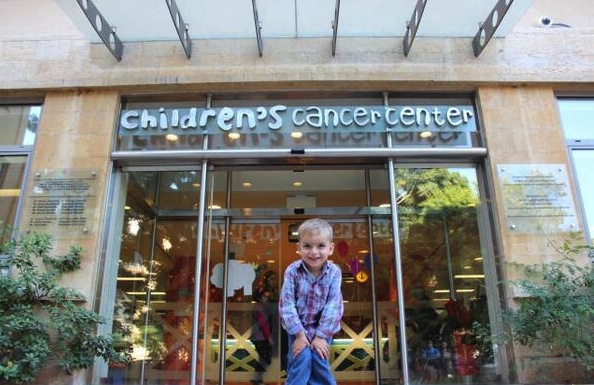
Where the light cascades in streaming beauty, the children of forever lie in their beds with sweet faces smiling to the morning sun. As the birds sing with gentle tunes, they adorn their hair with petals of servitude and strength. All here are of harmonious voice and love rules this place in gratitude. All the songs sung here are healing, sending hope to the bravest of them all.
post 56/365
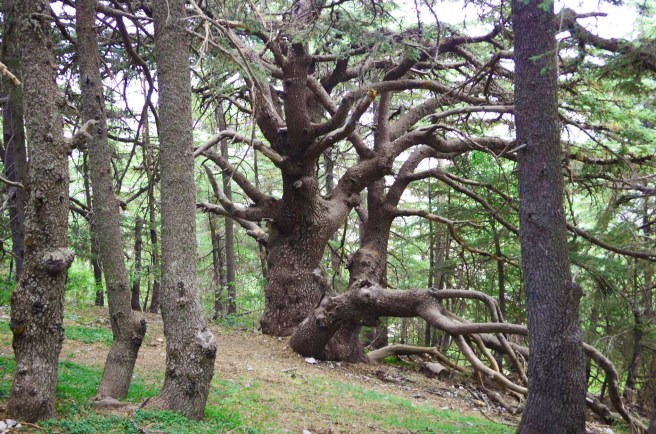
The largest of Lebanon’s nature reserves, Al-Shouf Biosphere Reserve stretches from Dahr Al-Baidar in the north to Niha Mountain in the south and overlooks both the Bekaa valley to the east and the Shouf valley to the west. Blanketed with oak forests on its northeastern slopes and juniper and oak forests on its southeastern slopes, the reserves most famous attractions are its three magnificent cedar forests of Maasser Al-Shouf, Barouk, and Ain Zhalta. At the local level several of the cedar stands are recognized as outstanding scenic landscapes, the larger cedars contributing in a most distinctive way to the landscape. It covers an area of 50,000 hectares, equivalent to about 5% of the overall area of Lebanon, making it one of the largest mountain protected areas in the Middle East.
post 53/365
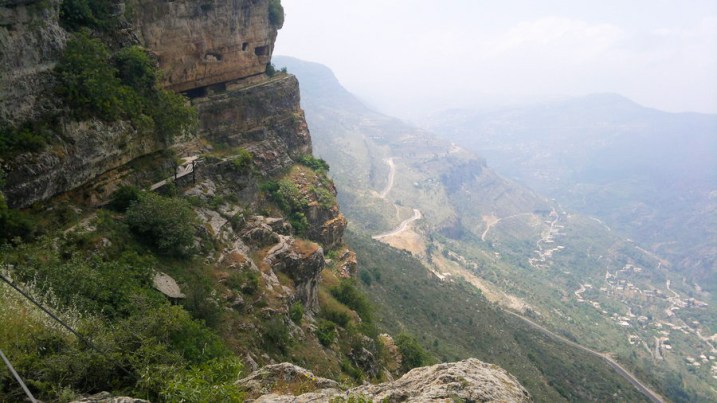
Niha is a town in the Chouf area which belongs to Mount Lebanon. The word neeha in Syriac means calm and peaceful. As most names carry a poetic feel to their place, Niha is truly a serene place. Among its olive groves and its grapes, apples, plums and almonds trees, Niha, like most corners in Lebanon, owns a cultural and historical richness that dwells in the heritage of this country.
post 52/365

The Ark of Taste, which is a foundation created by Slow Food International, Slow Food Italy, and the Slow Food Foundation for Biodiversity, is an operational body for the protection of food biodiversity. They travel the world collecting small-scale quality productions that belong to the cultures, history and traditions of the entire planet: an extraordinary heritage of fruits, vegetables, animal breeds, cheeses, breads, sweets and cured meats. The Ark was created to point out the existence of these products, draw attention to the risk of their extinction within a few generations, and invite everyone to take action to help protect them. In some cases this might be by buying and consuming them, in some by telling their story and supporting their producers.
post 50/365
It is thought that the “evil eye” belief had its roots in ancient Egypt, and it was passed on later to Mediterranean tribes and cultures. The evil eye is a human look believed to cause harm to someone or something else. The supernatural harm may come in the form of anything from a minor misfortune to disease, injury or even death. The victim’s good fortune, good health, or good looks, can provoke an attack by someone with the evil eye. If the object attacked is animate, it may fall ill. If the object attacked is a cow, its milk may dry up; if a plant or fruit tree, it may suddenly wither and die. It can even affect objects and buildings. The evil eye cast upon a house may soon develop a leaky roof or an insect infestation. To sum it up, just about anything that goes wrong (for any reason, or no reason at all) is blamed on the power of the evil eye.
post 49/365
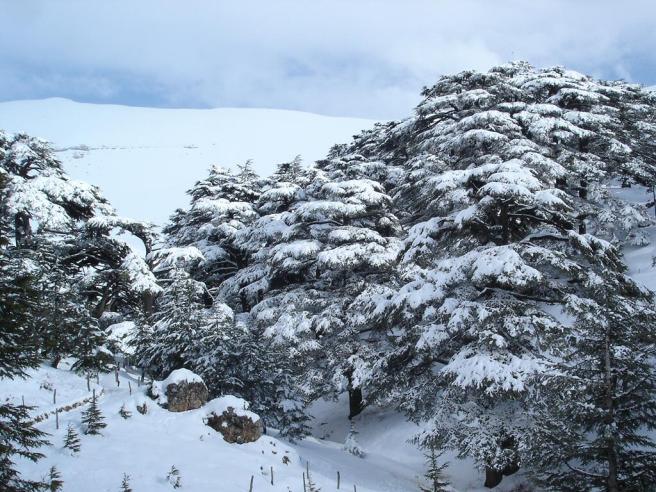
The cedars of Lebanon are an integral part of the history of Lebanon, just like Byblos, Tyre, and Baalbek. They date back to antiquity, when the Phoenicians were exporting cedar-wood to the pharaohs. The superb qualities of the cedar wood as beautiful color, hardness, exquisite fragrance, resistance to insects, humidity and temperature, incited Phoenicians, Egyptians, Greeks and many others to use it extensively. The wood was not only used for construction but more especially for nobler purposes, this was the sacred wood of the gods and used to honor the dead, a task to which the people of the ancient orient attached a deep importance. The Egyptians used its resin to mummify their dead and thus called it the “life of death”, and cedar sawdust was found in the tombs of the Pharaohs as well.
post 48/365
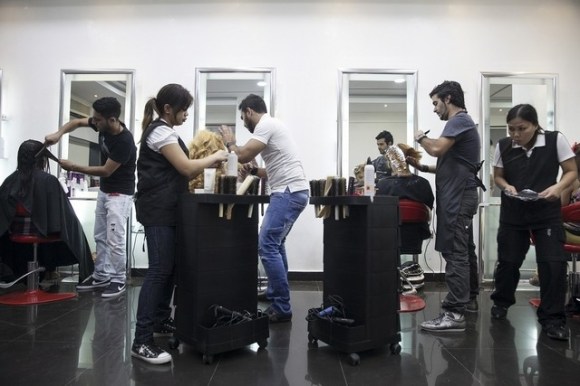
In past generations, no one purchased bread. Bread dough was made at home daily and taken to the village forn (meaning oven) to be baked for a small fee. The expression nisswan al-forn refers to the ladies who sat and talked while they waited for their bread to bake. Today, the term is used to describe women who love to gossip.
post 47/365
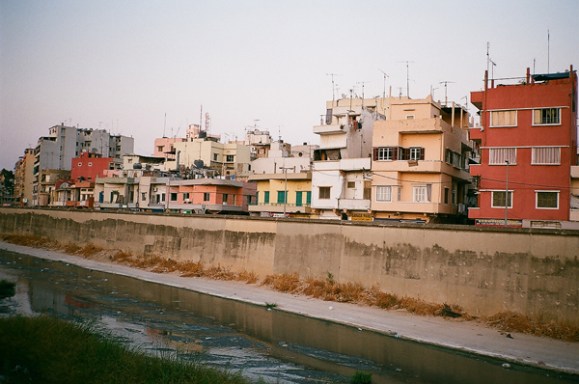
As you cross the Beirut River and enter Bourj Hammoud, you are directly transported into another world. It’s a city within a city where the smells of its restaurants fill the air and stand side by side next to jewelry, home ware, and fashion shops. Getting lost in the maze of streets selling every kind of artisanal product, you can’t help but feel transported out of Lebanon and into Armenia with shop signs written in two languages, Armenian and mostly English. Lebanon is home to around 230,000 people of Armenian descent, the sixth largest Armenian population outside Armenia worldwide.

 365 Days of Lebanon